This comprehensive resource includes four well-designed pages packed with 13 engaging activities related to Rosh Hashanah symbols, customs, vocabulary, and math. Perfect for lower primary grades, this kit also comes with two “Shana Tova” coloring greeting cards and an answer key page..
A colorful matching/memory game designed especially for Rosh Hashanah, a Jewish holiday. The cards include symbols of the holiday with titles in Hebrew and English. Great holiday activity in your classroom or at home with family..
“There is no happiness if the things we believe in are different than the things we do“
Albert Camus, Philosopher, Writer
A retrospective on the previous year is an excellent way for students to learn about themselves and project insights into the new year. The best time to start is after the winter break at the beginning of the new calendar year. Self-Reflection activities for students help them grow their Self-awareness and identify themselves as individuals. In many cases, self-reflection activities establish the foundations for time management and goal setting.
Why is it so important? First, we want our kids to be independent in dealing with challenges. Second, when they know their strengths and weaknesses, goal setting becomes more reliable and realistic, plus helps achieve their full potential.
Here you’ll find various self-reflection activities for the previous year and wish writing for the next year. You also find self-reflection templates not bound to any year. The primary audience is students in grades 3-6. Give your students these highly engaging writing activities to reflect their year. Let them write about their favorite moments, experiences, and achievements.
You can use them as a morning activity or as a writing activity during the first week back from winter break, encourage discussions among your students, let them express their feelings and thoughts. Here, we provide you a collection of free printables. If you find this post useful or have some thoughts to share, please let us know by rating us or by leaving a comment in the section below.
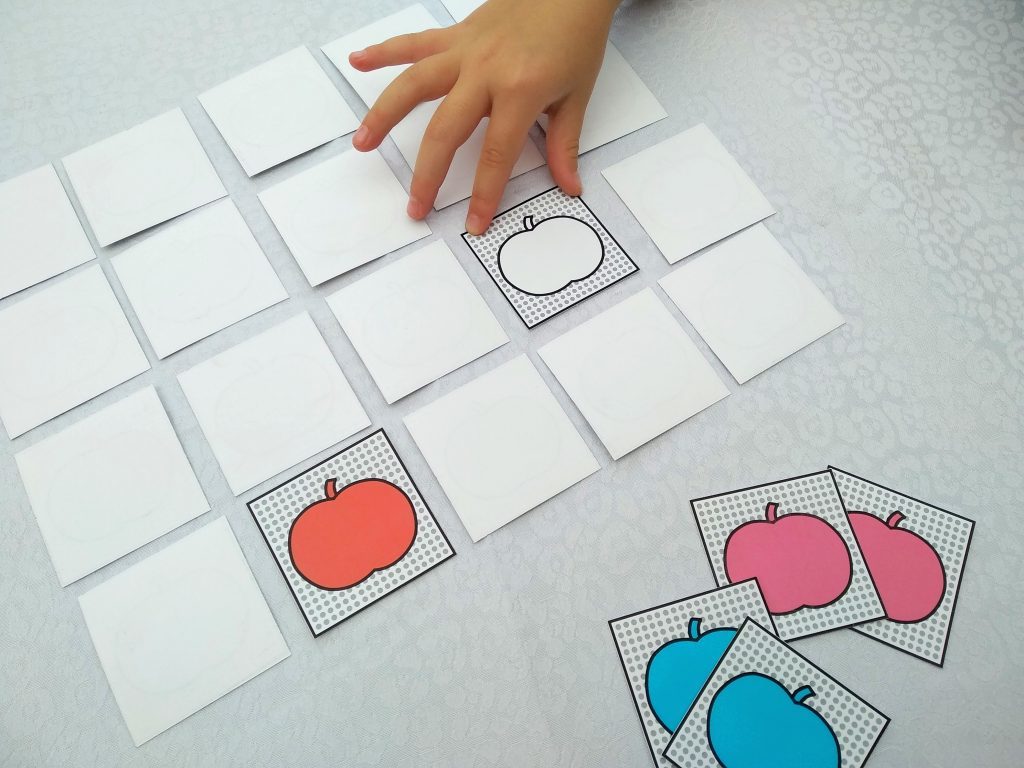
I love creating and playing with my kid’s memory/matching games. These games are so easy to prepare, barely taking up space at home and every time we play, it is a memory challenge for my children and me.
From my content designer point of view, memory games have many benefits for teachers, students, and parents: improving visual memory and
concentration, observing details, noticing similarities and differences, and playing skills, and can be used for any subject and every language.
Especially for Valentine’s Day, I have created the Heart Patterns Memory game that can be used both for children and adults all around the world, and it is FREE to Download.
This Printable Game can be a special gift for your loved ones on Valentine’s day and an opportunity to share quality time together while playing.
Include:
24 cards designed in black & white in a square shape,
Size 2.2X2.2 inch.
The cards have a bright gray background, a linear frame, and a heart with a pattern in the center.
All you need to do is print on quality paper like cardstock, laminate if you can, cut and put the cards into a beautiful envelope or a little box and give to your loved ones on Valentine’s Day.
I think it’s different to be involved with making a present for someone you love than to buy one. Tell us what do you think.
“The bad news is time flies. The good news is you’re the pilot”
Michael Altshuler
If there’s one truth about good teachers, it’s that we have a million great ideas and very little time to put them into action. I can’t tell you how many times I’ve heard teachers say “Wow, I really want to develop this activity, but I just don’t have the time!”
Between class time and lesson planning and communicating with parents and meeting with colleagues and reviews with administrators…not to mention those few hours of sleep we need…time is in short supply for educators. I bet that sounds familiar, right?
That’s why I love showing teachers how to create templates. Once you have a good set of quality, adaptable templates at your disposal, the sky’s the limit with what you can create. All without spending hours and hours working on lessons!
Templates are:
Huge time savers.
Adaptable to many different subjects.
Usable all throughout the school year.
Sounds good, right?
Let’s dive into the world of templates in teaching.
What exactly is a template? In brief, a template is a pre-set form of a document or slideshow that you can easily copy, edit, and adapt to a new creation. For example, you may have a template for a science lab report. It contains the structure you would need for a variety of lab experiments, so each time you plan a new science lab, you just make a copy of the template and edit the fields as needed.
There are all sorts of templates you can use in the classroom: templates for note-taking, comparison charts, puzzle games, spelling practice, writing prompts, reading responses, art projects, and so much more.
A good template is one that is easy to edit, quickly adaptable to a variety of subjects, and simple to use. Because we know how precious time is to teachers everywhere, Planerium has several templates that meet all these criteria.
Google slides Daily agenda – Use this Google Slides template to manage your daily activities with your classroom. Arranged in 30 colorful slides, these templates will save you time and energy and make you a more effective teacher. you’ll get welcoming, daily schedule, class news, homework, birthday, and more. Easy to use and prepare!
Puzzle Game Templates – Use this PowerPoint template to create interactive games suitable for any subject and any grade level. You can insert any image, place the puzzle template on top, and then ask students questions or riddles to reveal the image behind. Includes 6 puzzle templates of varying difficulty.
Puzzle templates clipart (Free!) – This free template will get you started with designing a variety of puzzle activities for your classroom. It includes 12 high-resolution designs of 2 connected puzzles pieces. Perfect for matching sight words with pictures, math problems with solutions, or foreign language words with their proper translation.
Puzzle Boards Templates– This product is packed with 94 high-resolution puzzle boards. Simply layer your content on top of the board that fits your needs, print, and play!
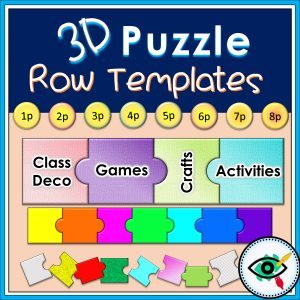
3D Puzzle Row Templates– Easily adaptable and perfect for games, activities, bulletin boards, presentations, posters, and more. These high-resolution PNG files are simple to resize for your particular needs.
Certificates and awards– Planerium offers a wide variety of certificate and award templates to help you foster a positive community in your classroom. Choose from welcome certificates, grade level diplomas, and motivational stickers.
Birthday Crowns– Make every child feel special on their special day by celebrating them with these fun and attractive birthday crown templates.
Great teachers are always looking for new and innovative ways to boost motivation in their classrooms. We adapt our lessons to fit all types of learning styles and add new and exciting activities and games to our lessons. Boosting students’ motivation is especially hard today when we have so much technology to compete with. We have to be more creative than ever to reach children in this digital age.
As a teacher, I’m constantly looking for creative ways to motivate my students and increase engagement. That’s how Planerium was born: out of my passion and the need I saw in other teachers hunting for quality classroom materials.
As you sort through our resources, keep in mind the needs, learning styles, and interests of your particular students. We know there is no one-size-fits-all solution in education, which is why I offer a diverse selection of products for all types of classroom needs. Teaching is its own form of art, and most of our success comes through trial and error. So test what you need, evaluate what works and what doesn’t, and adjust as needed.
If you’re a teacher looking to add highly engaging activities to your classroom, Planerium is the right place for you. Let’s dive right into my top 4 tips for motivating students, along with the tools I have to help you succeed!
Tip Number One
Encourage and foster an environment rich with intrinsic motivation.
Intrinsic motivation is defined as the internal drive a person feels to succeed. They are not performing to receive a grade, a reward, or points; rather, they are performing because they feel satisfaction in a job well done.
The most effective way to encourage this, in my experience, is by teaching students how to have a growth mindset. A growth mindset means that you believe that any achievement is possible with the right effort and persistence. The opposite is a fixed mindset, which is the mindset that says “I’ll never be good at math, I’m just bad with numbers.” Clearly, we want our students to develop a growth mindset rather than fixed.
If you want to boost intrinsic motivation among students in your class, this product is for you! Planerium’s Growth mindset Motivation activity and Clipart – Bundle is great for primary and middle school students. It includes colorful, ready-to-print motivational signs for classroom decor, an activity for students to create their own motivational signs, and clipart for teachers to use. Watch a preview to see inside this product!
Tip Number Two
Recognize students regularly for their efforts, improvements, and accomplishments.
Children (and adults too!) thrive when they receive positive feedback and recognition. Be specific in your praise, and be sure to highlight not only achievements but also improvements and perseverance. When offering feedback, however, words are not enough. When you get a certificate that everyone can see, you get the chance to show it to friends and family. Other children become motivated to earn their own certificates, which adds to the positive classroom environment.
Our Star Rewarding Certificatesare perfect for this! Choose a student Star of the Day, Star of the Week, and/or Star of the Month. You choose the criteria based on your classroom and your students. Perhaps today’s Star of the Day earns a certificate for being an excellent listener or for helping clean up. The Star of the Week may be a child who was consistently helpful to other students this week. The possibilities are endless!
Star certificates encourage, motivate, and empower students to do their best every day. Click this image to watch a video previewing these products in use!
Star certificates
Tip Number Three
Offer thoughtful and meaningful rewards.
There are all sorts of rewards you can offer to students for goals achieved or milestones met. From large-scale rewards like a class pizza party to smaller rewards like gold stars on a chart, offering rewards can boost motivation.
It sounds simple, but a quick and easy way to reward students is by giving out stickers! Kids of all ages get excited when they see stickers! They place them proudly on their papers or on their shirts like a badge of honor.
These go beyond the generic “great job” stickers, allowing you to get specific in your recognition:
“You helped a friend!”
“You worked hard and succeeded!”
“You made me smile!”
“Thank you for not giving up!”
“Thank you for contributing!”
Keeping these motivational stickers on hand will give busy teachers like you a quick yet meaningful way to motivate students.
Tip Number Four
Create a welcoming, engaging, and comfortable learning environment.
No one feels inspired in a bland and boring environment. Bare walls, beige carpet, desks in neat rows? No thank you! Studies show that the physical layout and decor of a classroom greatly affects student learning and motivation.
Arrange your tables for collaboration and teamwork. Design engaging and attractive learning centers. Display student artwork and awards on the walls. Our Class Decoration set – Star of the Class is perfect for this! Use this set to display students’ names, pictures, awards, or classwork. Highlight the stars of the day, week, or month, and celebrate each child on their special day with the Birthday Star posters.
Having a bulletin board especially dedicated to celebrating your students sets the tone for the meaningful and motivating environment all teachers strive for. Click this image for a video previewing this product:
How do you motivate your students?
We are always looking for new ideas from great teachers like you. Let us know your favorite ways to motivate students by leaving us a comment or visiting us on Facebook. And be sure to check out Planerium’s shop to browse our wide variety of attractive and engaging educational resources.
Booklets Are some of my favorite resources to create for learners because they are so engaging, effective, and fun! These interactive activity books can be used with any subject and are perfect for kindergarten and lower primary students.
Planerium’s booklets are packed with learning activities that encourage reading skills and creativity. Our thematic books are great for emerging readers because of the simple, predictable stories and appealing artwork. Mini books make learning to read a piece of cake!
[wpsm_ads2]
Why do educators everywhere love booklets?
Flexibility
Teachers can tailor each mini-book to the unique needs of their students and grade level. You can add or reduce pages that fit your learners, insert more content as learning evolves, and adjust the level of difficulty.
Creativity
Move beyond basic worksheets or stand-alone lessons by using mini books as a complete unit. Kids love having complete and creative stories to read and engage with.
Diversity of Skills
The process of creating mini books gives students the chance to use a lot of different skills at once: reading, writing, coloring, cutting with scissors, and presenting as they share their books with others.
Structure
Mini books are an awesome way to focus students’ attention on the structure of a book. They become familiar with components like a cover and title page, and they see the general process of the beginning, middle, and end in storytelling.
Self-expression
As students work to create their own unique book, they express themselves in creative ways. Kids really get into personalizing their books and putting their own unique stamp on them!
Reproducible
Teachers love our mini books because they are downloadable and photocopy ready. There are also extension activities for each book, so you can customize the book to fit your students’ needs and interests.
Easy to send Home
Mini books are easy to send home for at-home reading with parents. We’d like to think every child has access to books at home, but sadly, this isn’t always the case. Creating booklets in class together helps kids build an at-home library and can be a highly relevant, meaningful way to take learning home.
Shareable
Perhaps the most valuable benefit to mini books comes when children share their books with parents, friends, or siblings. Because they have worked so hard and have created a meaningful product, kids are eager to show it to everyone! The pride and sense of accomplishment kids get from building and designing their very own books are amazing!
[wpsm_ads2]
Check out Planerium’s booklets!
I love designing these books because I see so much value in them, and my students do too! To add mini books to your classroom rotation, I have several products available:
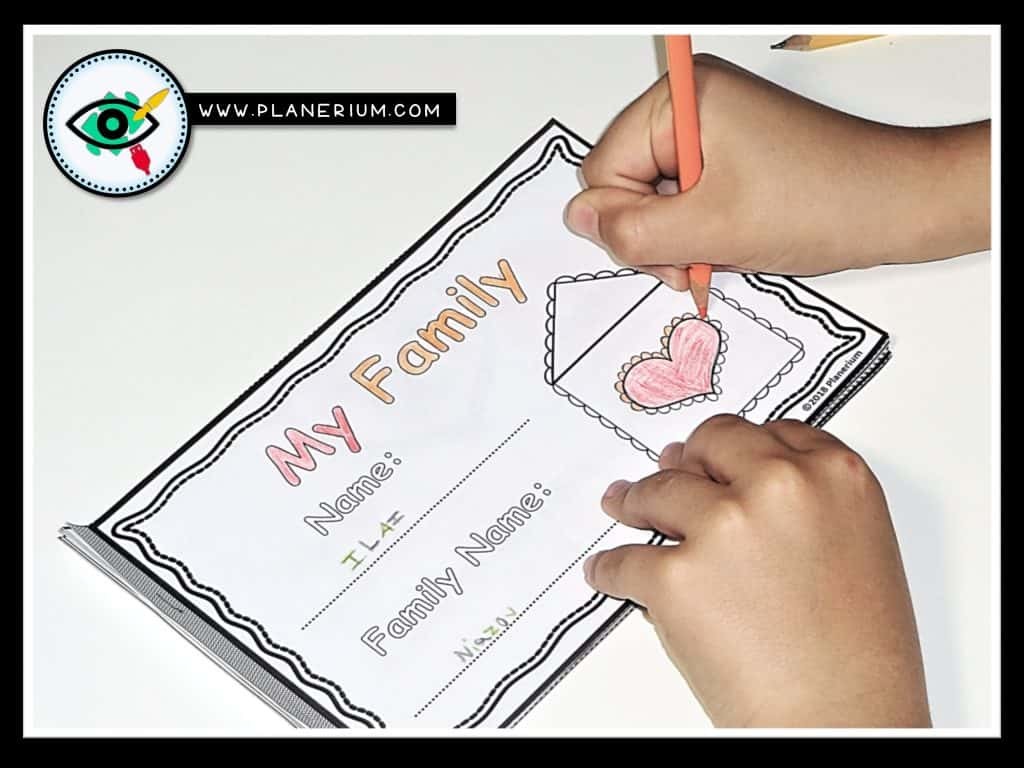
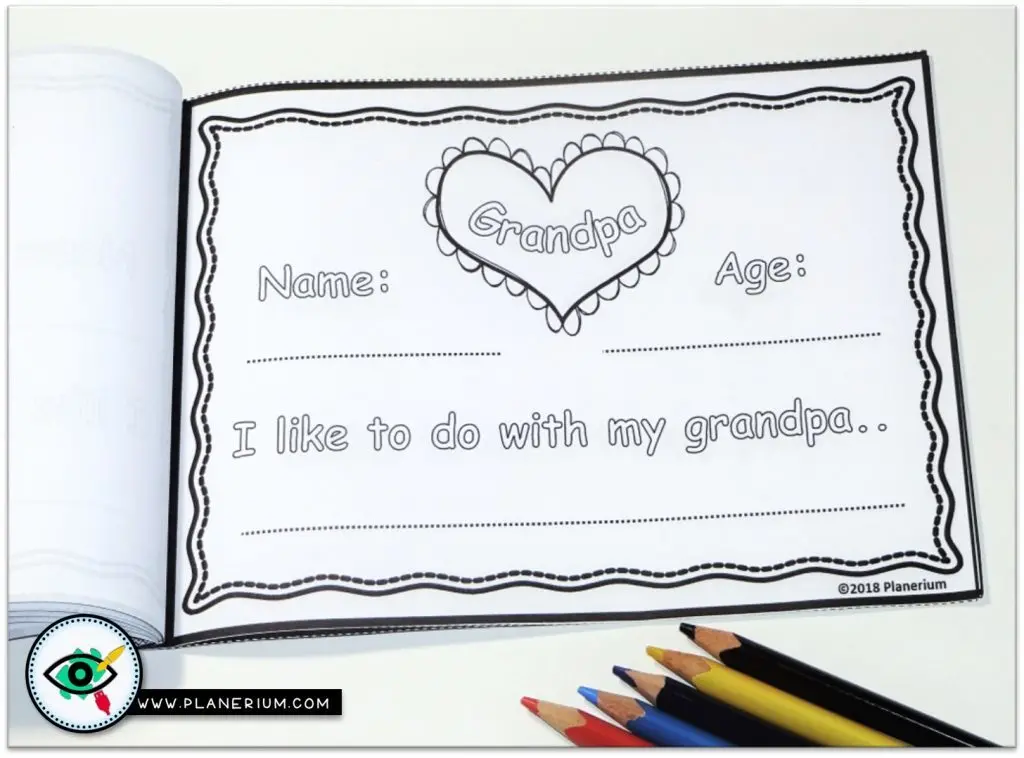
1. My family booklet – an awesome “get to know me,” “family day,” or enrichment activity. Children make a full booklet all about their families. This can be adapted for all types of families and is perfect for sending as an at-home reading activity!
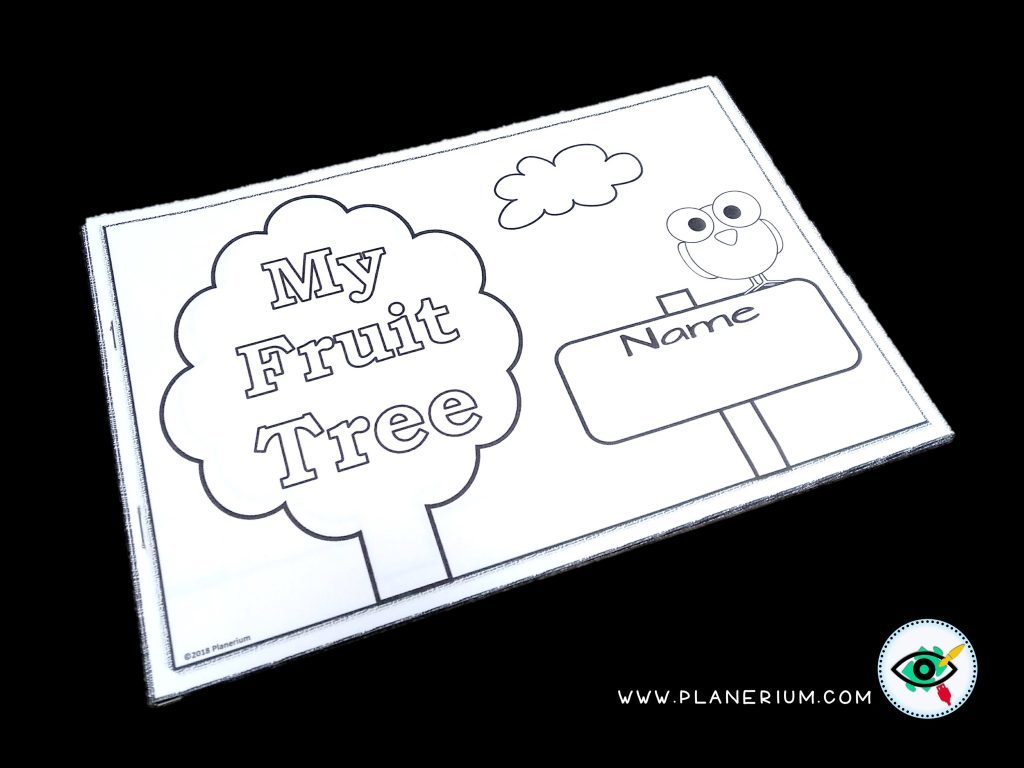
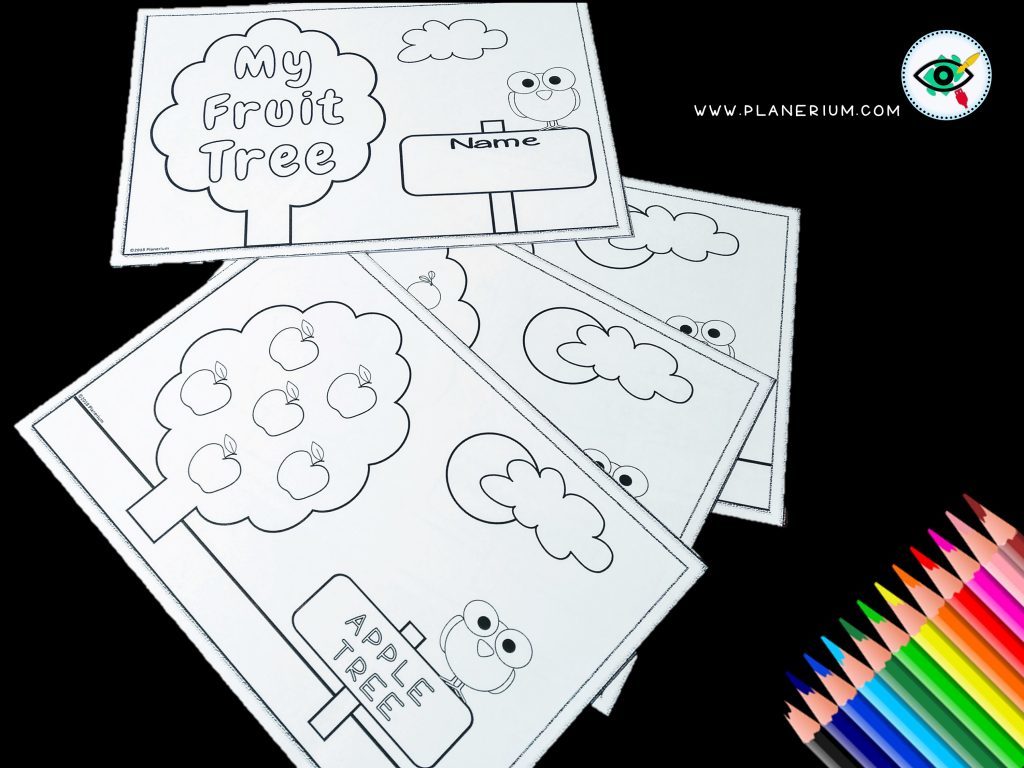
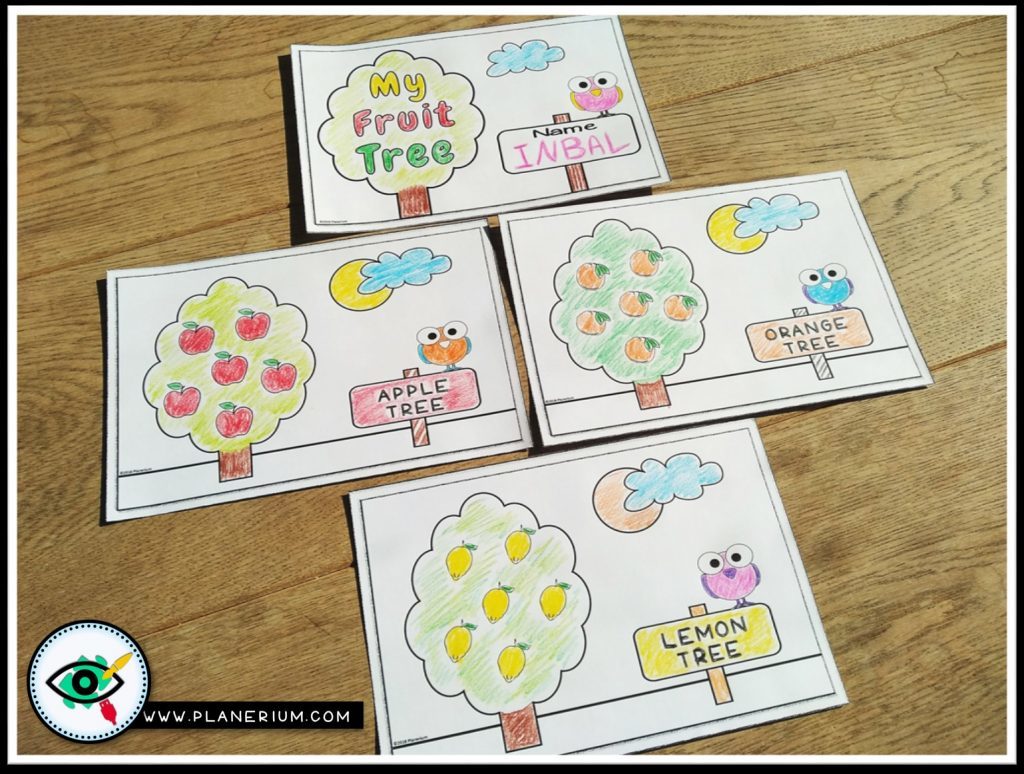
2. My Fruit tree booklet (Free!) – children become acquainted with 10 different types of fruit trees as they practice reading, writing, and coloring skills to complete each page.
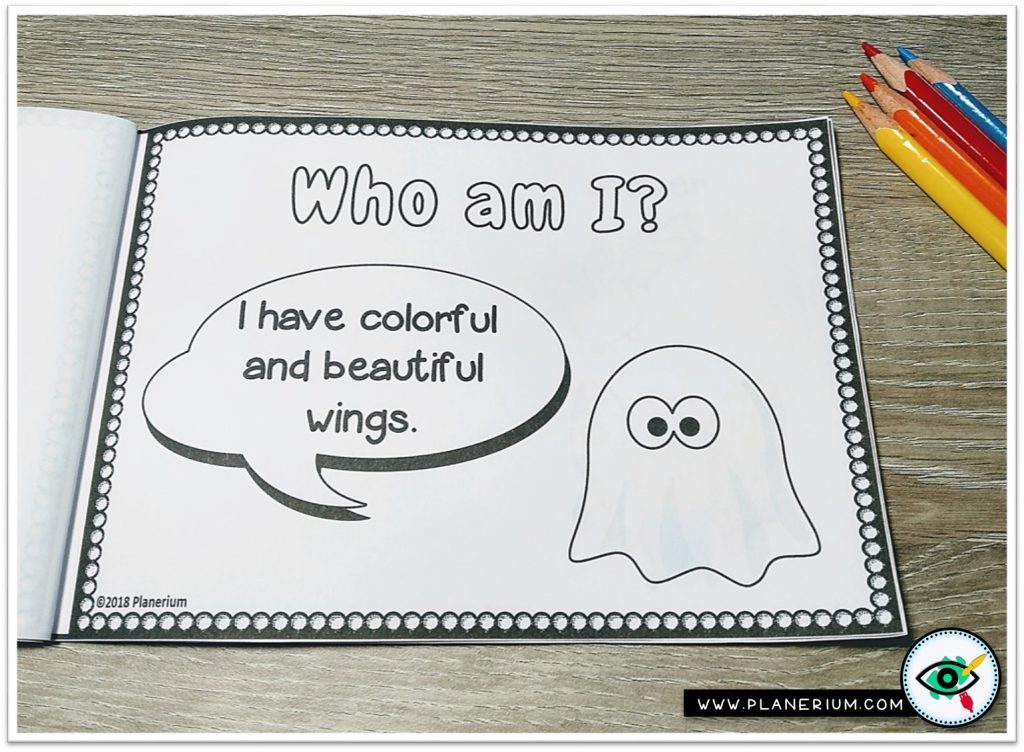
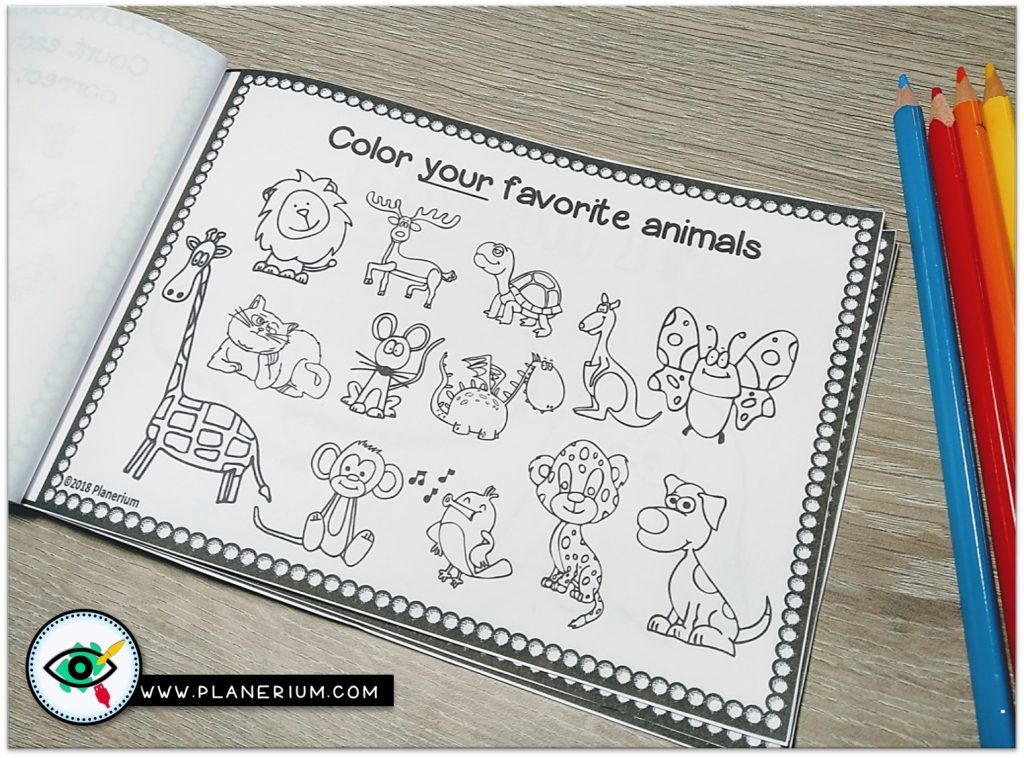
3. Halloween booklet pre-k (Free!) – Guess who’s hiding? This cute pre-k activity has kids guess which animal is hiding by answering riddles. Kids work to solve the mystery and color the pages. Then, they can take it home to read with parents.
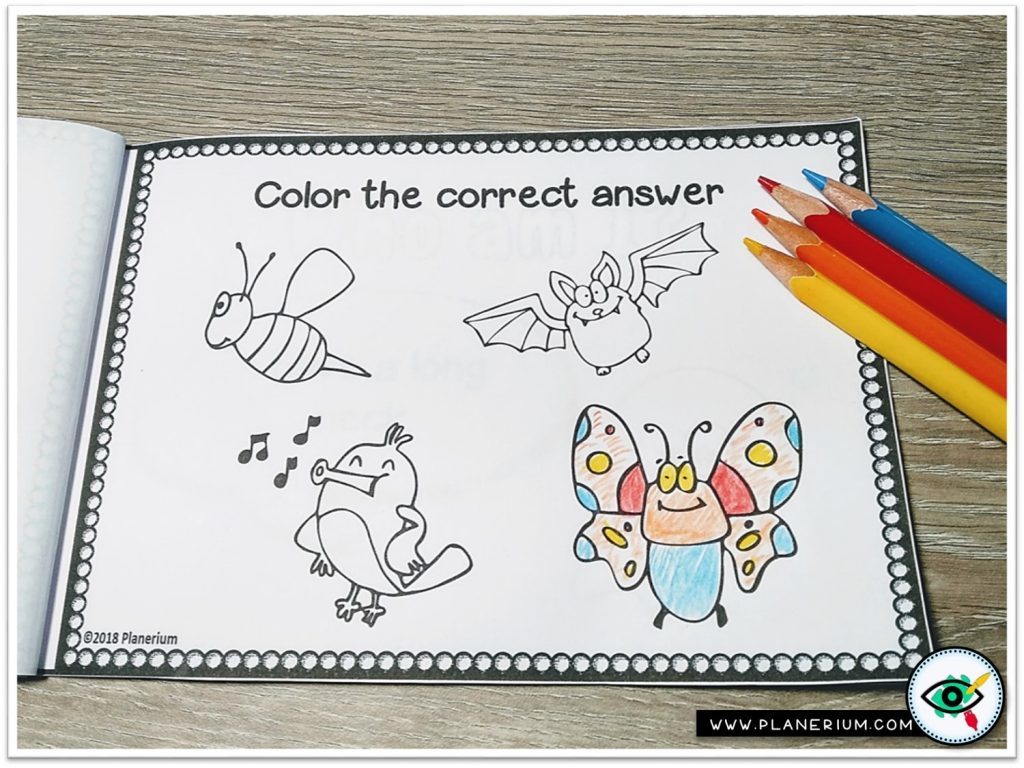
4. Halloween booklet grade 1(Free!) – This booklet has the same concept as our pre-k version, but more advanced, with four images to choose from. Kids guess the answer to the riddles, and color the correct animals.
5. The ten plagues booklet – Teach children all about Passover and the Ten Plagues with this mini-book. Great for Hebrew and English learners, children practice coloring, numbers, and cutting. We also have a version for older kids that adds a writing component.
Click image to view a preview video
[wpsm_ads2]
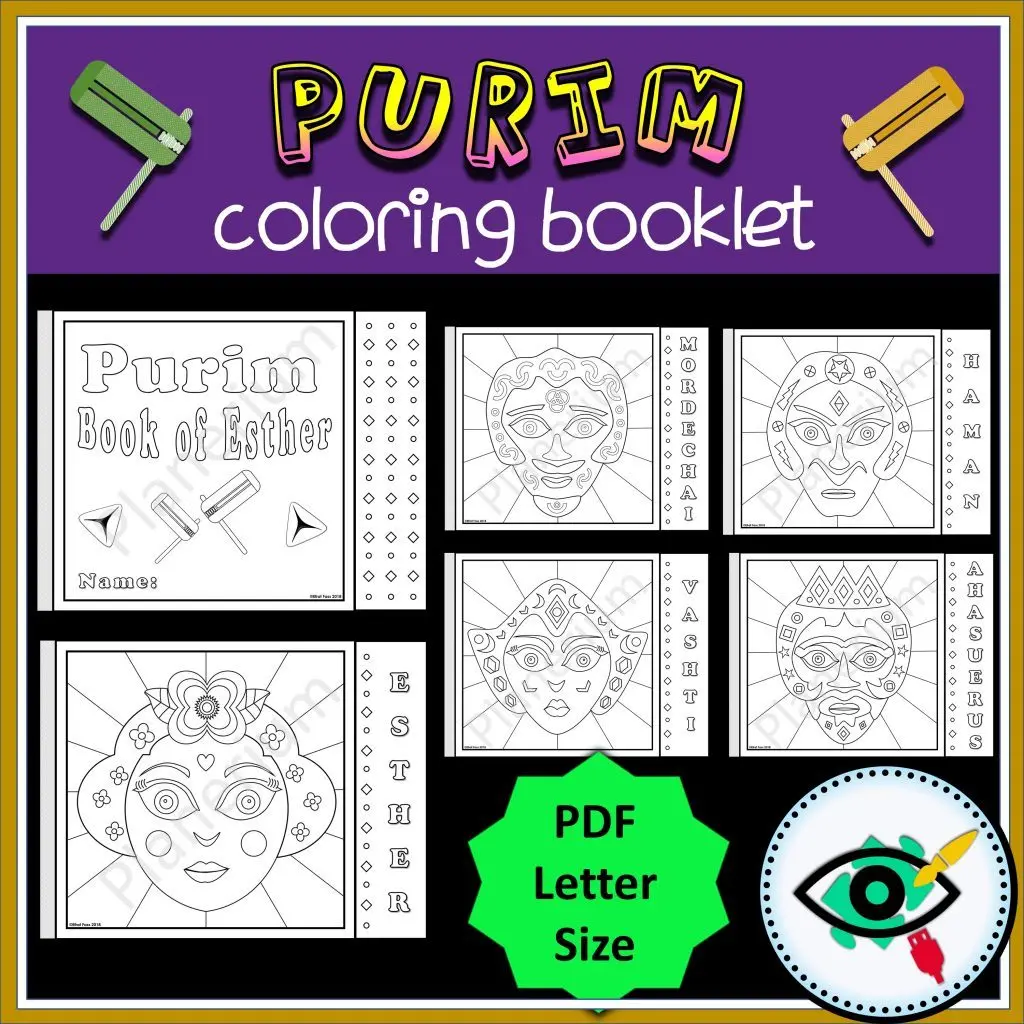
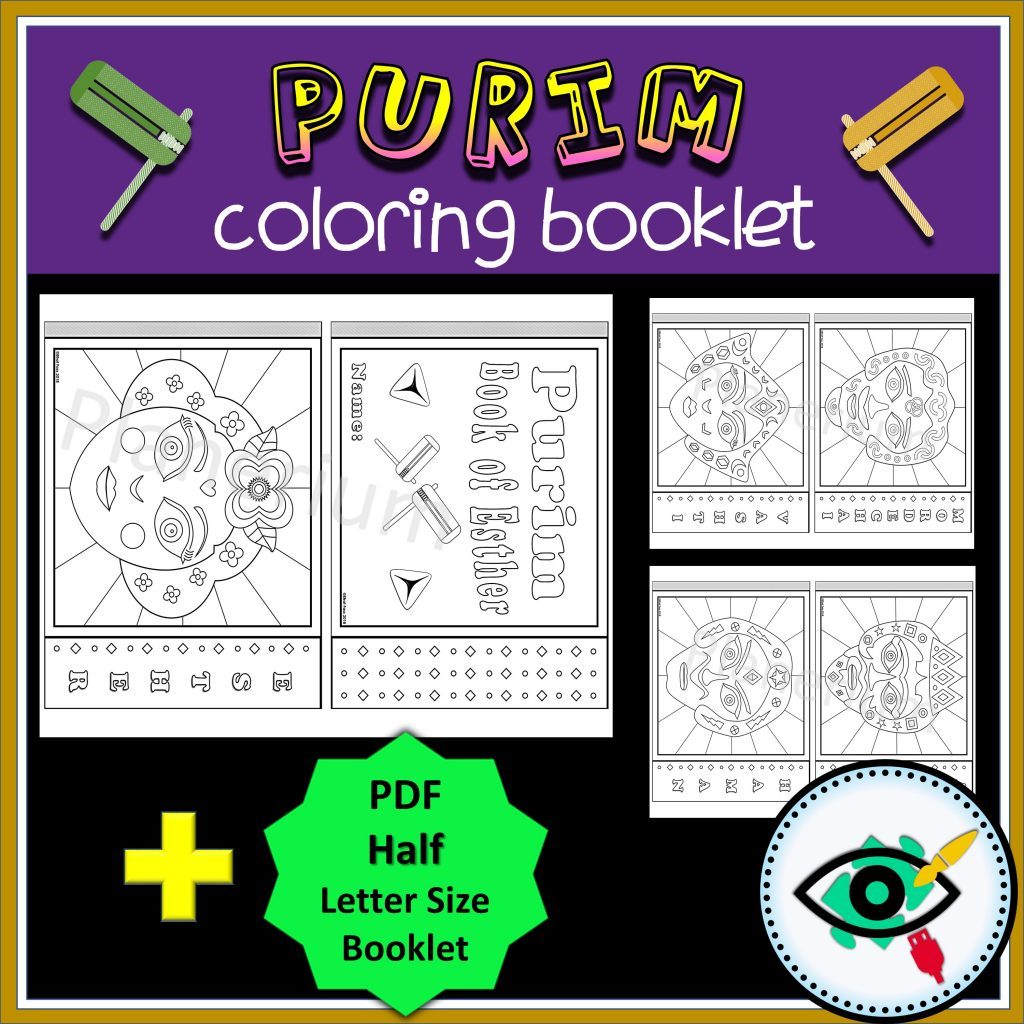
6. Purim coloring booklet – Celebrate Purim with this interactive coloring booklet. It includes 5 characters from the book of Esther, including the English name for each of them.
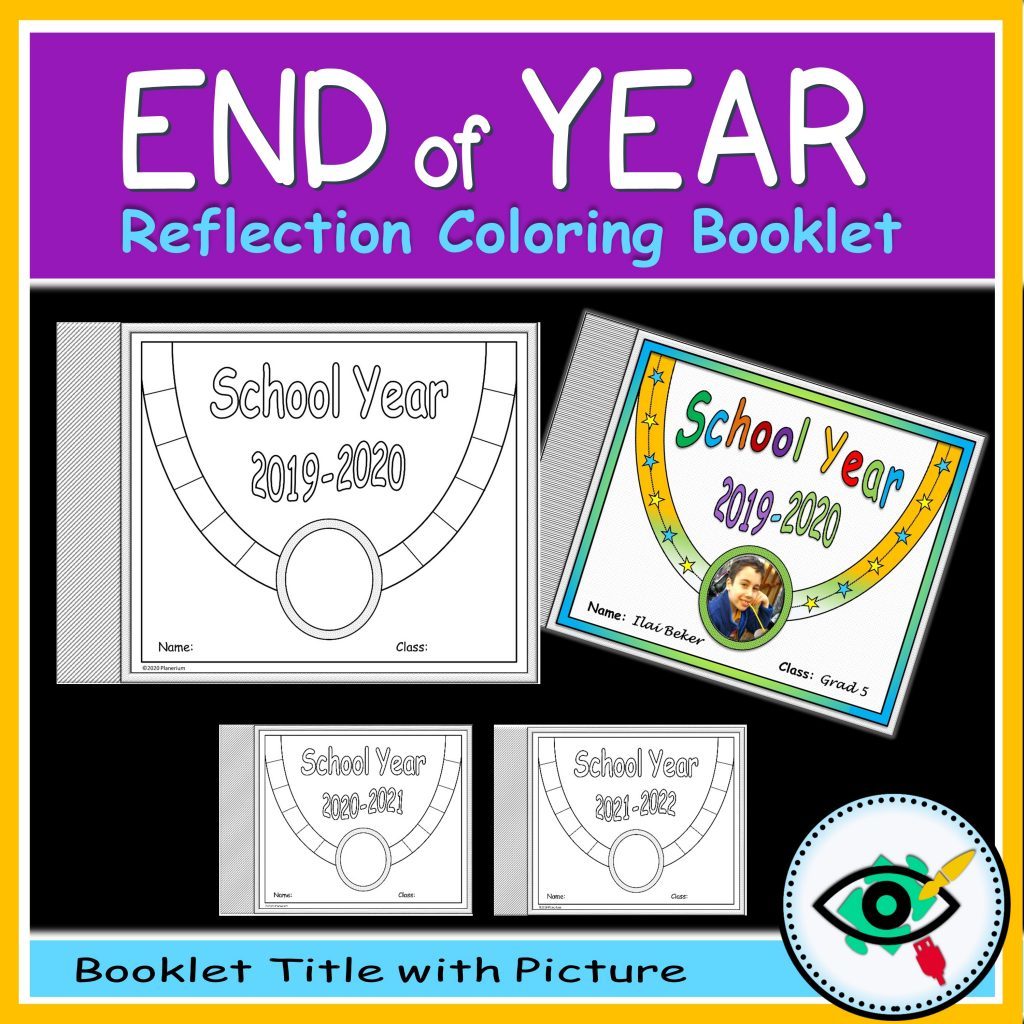
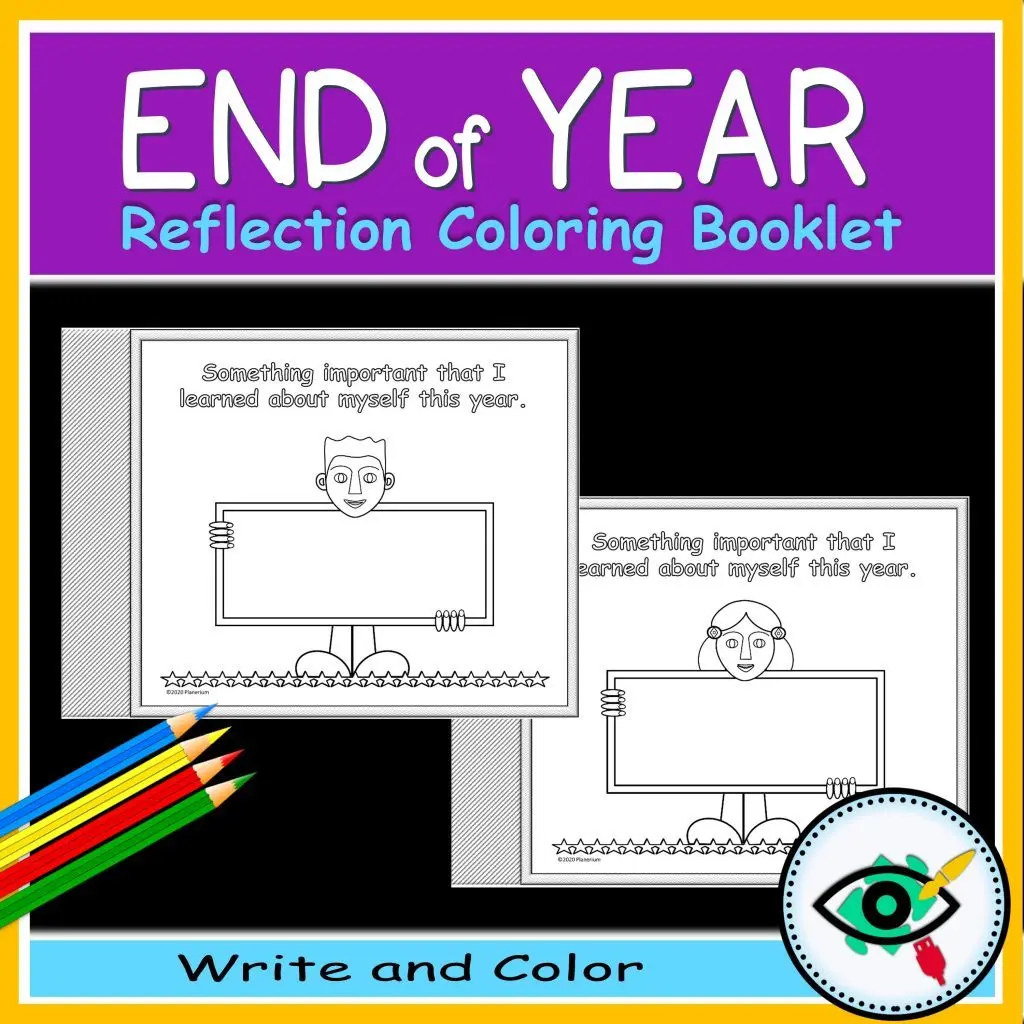
7. End of year reflection booklet – every upper elementary or middle school teacher needs this meaningful booklet in their classroom! As the school year comes to a close, it’s important for students to stop and reflect on their achievements, challenges, and memories. Once completed, this book makes a wonderful keepsake for students to share with their families and look back on as they prepare for the next school year.
Which booklet will you use in your classroom?
Leave us a comment on the blog! We’d also love for you to share photos of how you use mini books in your classroom. We love seeing the creativity of students all around the world! Shoot us an email or share them on our Facebook page.
When is the last time you sat down to complete a jigsaw puzzle?Has it been a while, or are you a puzzle pro? Have you ever used puzzles in the classroom?
Many people think of puzzles as just a fun way to fill time, but they actually help children build important skills. That’s why they are great for lower primary students, although children of all ages can benefit from using puzzles in the classroom.
What skills does the puzzle teach?
Physical Skills Both gross and fine motor skills are required to make pieces fit, and important connections are being made about spatial relationships. Puzzles are one of the best activities to promote excellent hand-eye coordination.
Cognitive skills Children develop important problem-solving and reasoning skills as they work to solve a puzzle. They are also developing memory skills as they remember which pieces go where.
Emotional skills Children learn patience and perseverance as they work to complete the puzzle. They feel a great sense of accomplishment and self-esteem from achieving the end result of a fully completed puzzle.
Social skills When children work on a puzzle with an adult or another child, they are honing necessary social skills. They negotiate about which piece goes where, they communicate with one another, and they learn to take turns appropriately.
If you’re a teacher like me, that list above probably has your head spinning – in a good way! Each and every one of the skills mentioned above is important to classroom teachers, and we are always striving for new and interesting ways to help our children develop those skills.
Classroom Benefits of Jigsaw Puzzles
There are so many benefits, which is why puzzles are popular for all age groups, from young toddlers through adulthood. Whether you use the puzzles to assemble a beautiful picture or to teach shapes, letters, or concepts, I guarantee there’s a place for puzzles in your classroom. Not sure where to start your puzzle library? Planerium has a lot of options to get you started! We also have several engaging educational games to add to your collection. Read more about why games make a great learning tool here.
These are my 7 favorite reasons to use jigsaw puzzles in the classroom
When students work together on puzzles, they learn teamwork, cooperation, and sharing.
Puzzles help with memory and recall. They are excellent for teaching new concepts and facts.
Assembling puzzles is a low-stress and fun way to familiarize kids with concepts they need to memorize.
Jigsaw puzzles are a constructive way to keep kids quiet and focused.
Children feel a sense of satisfaction when they fit the pieces together, giving a much-needed boost to their confidence.
Puzzles don’t require instructions or rules. Students can sit down and work on them for a few minutes at a time, any time.
Puzzles are a productive and meaningful way to fill up free time. Students can tackle puzzles for a few minutes at the beginning or end of class. Those who finish their work early can spend a few minutes fitting pieces together while others catch up.
Schools today look very different than they used to. Gone are the days of boring “sit and get” classrooms where kids just listened to lectures and scribbled notes. Today’s educators are constantly innovating, looking for new and engaging ideas, and adding more and more technology to the classroom.
One of the best ways to foster an interactive and fun learning environment in your classroom is to incorporate games into your curriculum. Here at Planerium, we believe that every student benefits from high quality, academically focused games. That’s why we have lots of educational games to offer our customers!
Top Benefits to Playing Games in the Classroom
Students are highly motivated by playing games – a healthy dose of competitiveness is a good thing!
Classroom behavior improves. Students look forward to playing games at the end of their lesson.
Games are excellent rewards for their effort and attention!
Gameplay activates different learning styles: visual, tactile, and auditory learners all benefit from playing games.
Gameplay in the classroom promotes cooperation among students and helps teach social skills.
Students feel ownership and personal responsibility for their own learning while playing games.
Games give kids immediate reinforcement – they can easily correct errors or gaps in understanding as they carry on their play.
Many games (especially ours at Planerium) are easy to transport, set up, and use.
Students feel successful and get a confidence boost from playing with their peers.
Games are a fun way to review and reinforce concepts that have already been taught.
They are especially great for practicing new vocabulary in a foreign language or a language arts class.
Many games can be played with little to no supervision from the teacher. They are great to use at work stations as students complete independent or small group activities.
Games are a highly effective way to differentiate and break up the routine of a long school day.
How Planerium helps you add Engaging, interactive games to your classroom
We are big believers that the best learning happens when students are engaged in new, interactive, and varied experiences. This is why I combined my classroom and museum design experience to create attractive, interactive, and unique games that can be used by teachers all around the world. Here are some of our favorites:
Leave us a comment with your favorite tips and tricks to using games in the classroom. How often do you play games with students? And be sure to stop by our shop for even more interactive classroom resources!
There are many benefits to using games in the classroom. Students are more engaged and motivated in learning while playing games. If you want to read more about the benefits of games in the classroom, read: How to make learning fun & meaningful with classroom games.
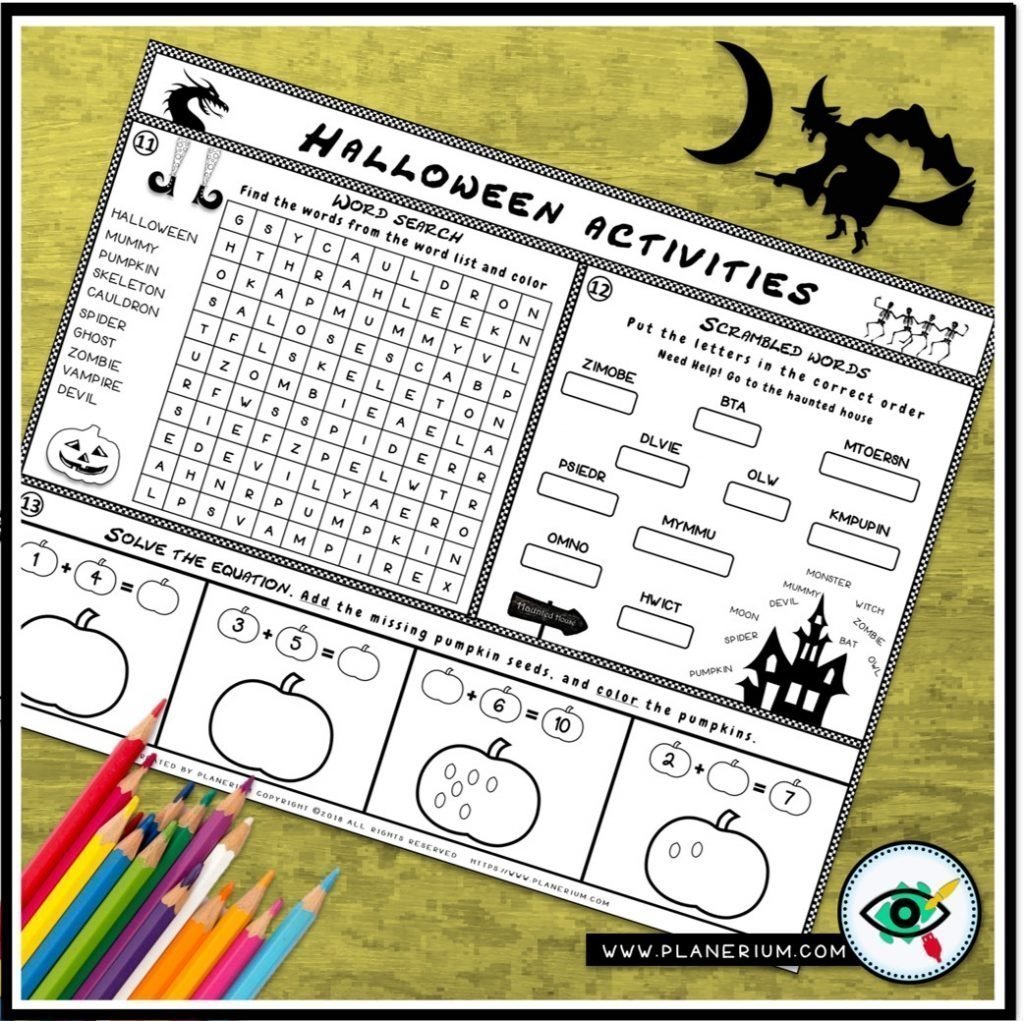
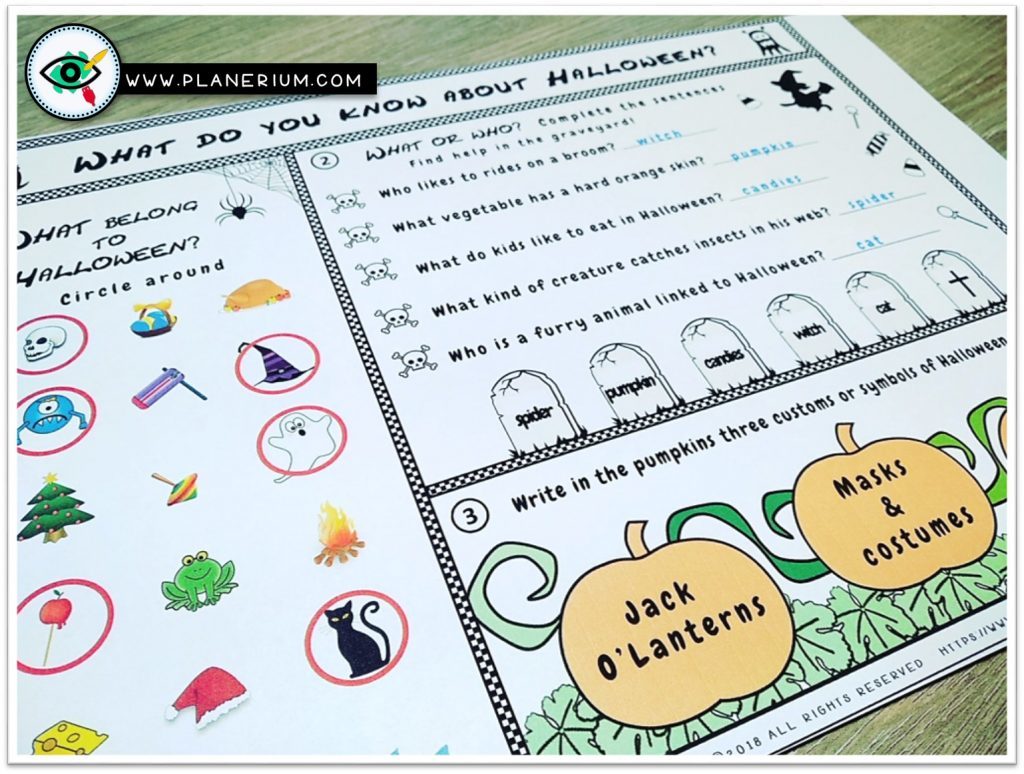
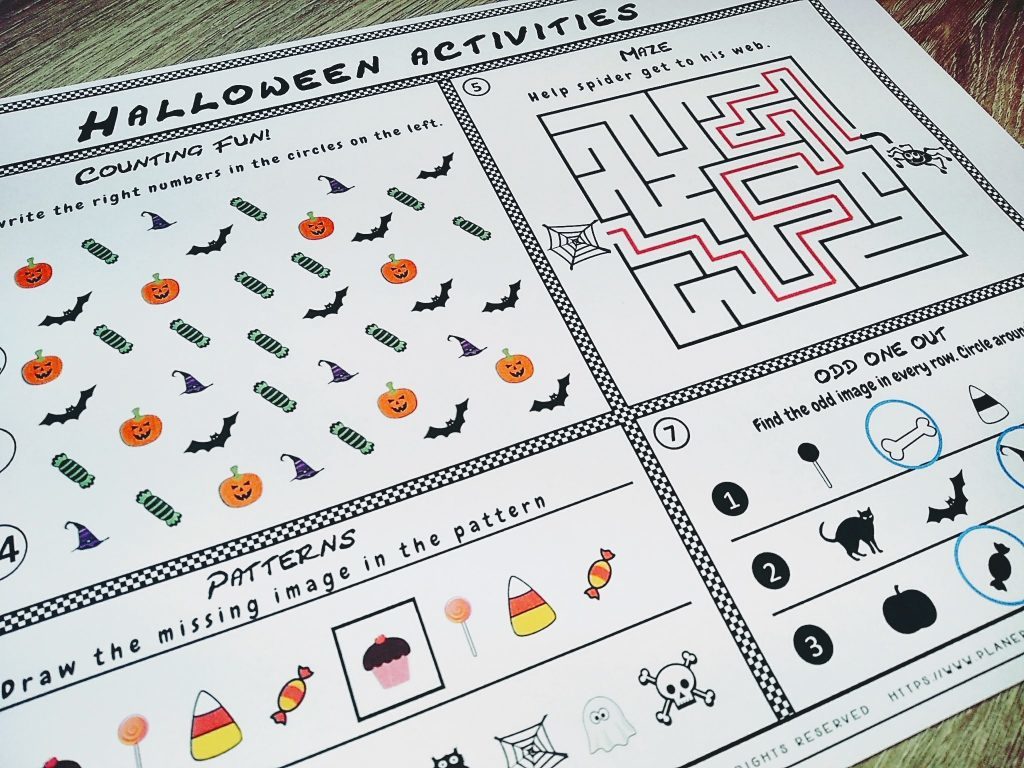
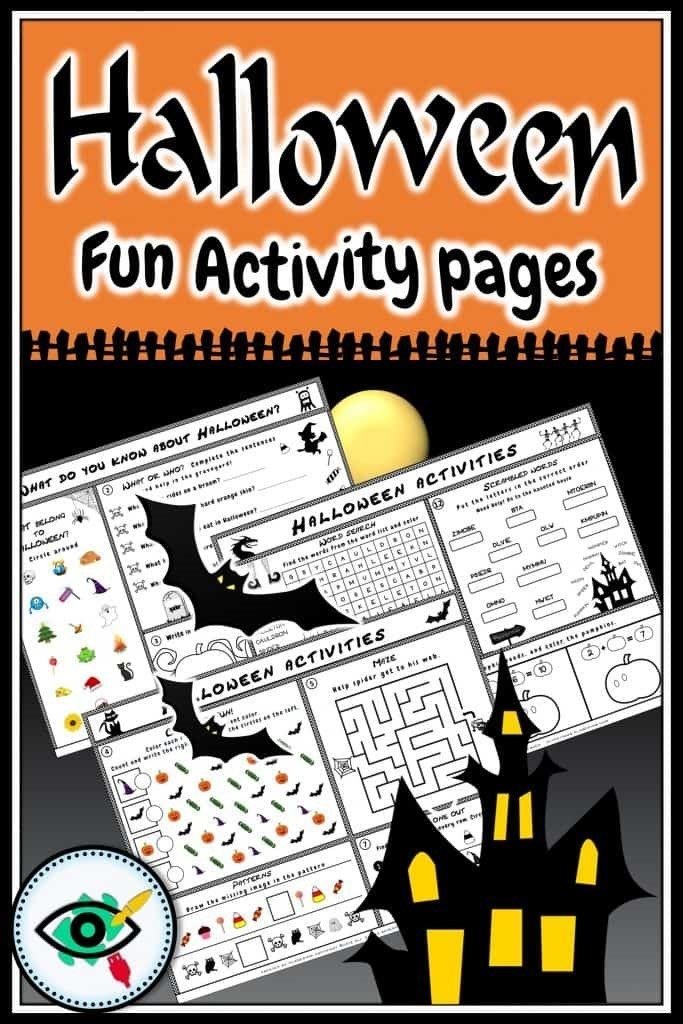
Halloweenis an excellent opportunity to engage our students through fun activities. Planerium offers a mix of educational games and fun activities for lower grades in primary school, related to the Holiday’s symbols and customs, Including writing, drawing, coloring, and counting activities.
These activities may be used as an enrichment activity, a summary of the topic, class Halloween party, or for homeschooling. We love these activities because they encourage students’ creativity and bring their imagination to life.
[wpsm_ads2]
Halloween is not celebrated in your country?
No Problem! This resource can be incorporated while studying Holidays Around the World.
Check out our Halloween activity pages for kids, an excellent collection of various activities
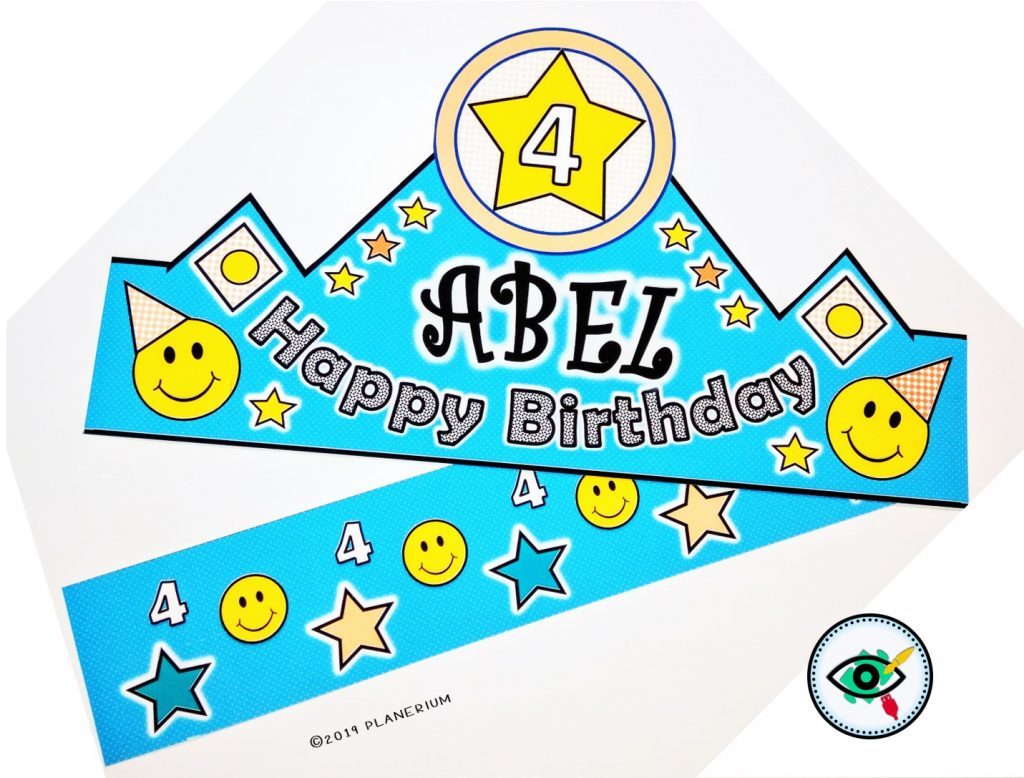
It was time for my daughter’s and her friend’s fourth birthday party, which was held at home. I had an idea to create a personal, colorful birthday crown with the children’s’ name and age.
The process of designing these birthday crowns was enjoyable for me. I wanted them to be colorful and appealing, with a clean and simple design.
It was important to me that the names will be prominent and highlighted as well as the number of years. I knew my daughter Inbal loved pink, so I colored her crown pink, and her friend Abel’s blue.
I used PowerPoint to create the crowns and printed them on a quality matt stock card. Then I cut the parts with a cutting knife and a ruler. Finally, I clamped the crown parts with their head size.
[wpsm_ads2]
In the process of making the crowns I developed a nice crafty activity for the birthday guests. Every kid got an outline crown page with a Happy Birthday title for coloring. After they finished coloring, I cut the crowns with the head strips and connected the pieces according to the size of each kids’ head.
The kids loved this activity and put on their beautiful creation crowns. When the party was over, they took their crowns with them home. This activity was a success for the boys as well as for the girls!
My birthday girl Inbal and her friend Abel loved their personal crowns and felt special on their birthday. Moreover, all the children at the party enjoyed the preparation of their own crown and were extremely happy to wear them.
After the birthday, and the excited reactions from the children’s’ parents, I decided to share the birthday crowns with your parents and teachers.
Back to School Craft Activity to connect with your students after the long Summer break
Getting back to your students after the long Summer break, and especially when you have a new class, might be challenging. Therefore, I decided to create an “all about me” activity for the higher grades (4-6) in Primary school.
My idea was to create a unique and different way to connect with your students and getting to know them better. This is not another worksheet, but rather a more creative, interactive, personal activity for the students.
In this Creativity, students will create a personal “all about me” vertical chain. The activity includes basic black-and-white templates that students can choose from and create their own unique “about me” chain. This allows them to express themselves more freely and use their personal style, taste, and creativity.
I recommend displaying the students’ final creations on the classroom walls.
Know me chain black & white templatesKnow me chain assembling templates to vertical chain
Here are some of the most important benefits of Know Me Chain Craftivity:
A Colorful, Unique, Decorative element in your classroom all year round.
A great way for the teacher to know the students better.
A great display for parent meetings.
A different way for students to proudly present themselves.
A great way for your students to get to know more about each other, what is common or unique about each other…
Colored Version
Know me chain simulation preparation painted
The activity includes basic templates in black and white that are flexible and modular. Students can choose from a variety of options. They will write, color and design the chain according to their personal taste and style.
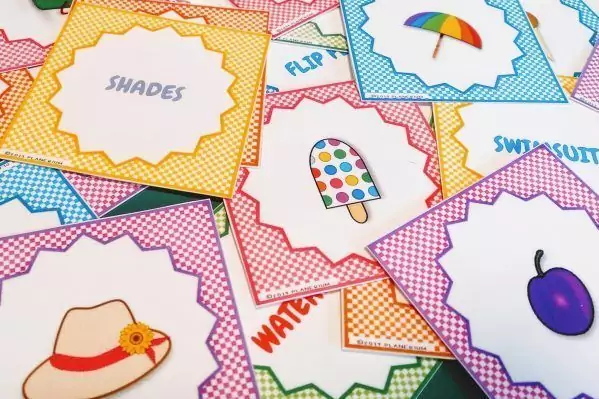
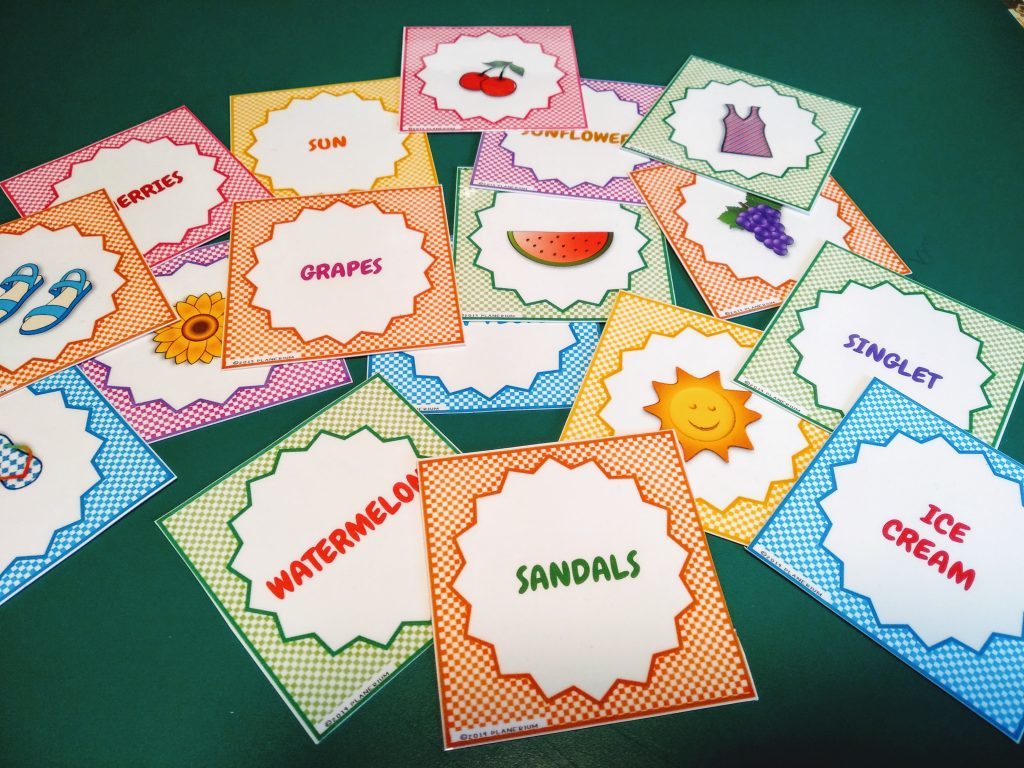
If you’re looking for fun and engaging ways to spice up learning in your classroom, consider memory games! Here at Planerium, we love creating educational memory games that teachers love for their ease and versatility. We have many themes and educational topics to choose from, so you’re sure to find exactly what you need in an easy, low-to-no prep format.
For the technology-based classroom, we also offer online matching games, like this Fall-themed memory game. Great for individual practice, these online games include a timer, so kids can race to beat their best time. I like to use online games when a child needs a little break from group work – or perhaps the group needs a break from that child! I also include links to the games on my class newsletter, so parents can use them at home.
What are the actual benefits of memory games, though? There are so many! Memory games are simple to set up, easy to learn, and fun for kids of all ages. Read on for a few of our favorites.
1. Memory Games = Ready-to-Use Activity
We know how precious your time is. That’s why our products are designed to be a one-time job for you. Once you print, cut, and laminate, you will have a stash of ready-to-use, easy-to-store activities on hand. If a student finishes a test early, you can offer them a game to occupy their time.
No more panic as you realize your lesson ended early and you now have time to fill up – just grab the memory games! Your students will be engaged in a meaningful activity, and you can take a moment to sip your coffee or set up the next lesson.
2. Memory Games Reach Students With Diverse Learning Styles
Not only are memory games easy to use, but they also appeal to many different learning styles. Tactile learners will love being able to flip over cards; visual learners will quickly learn new words as they match them to images; auditory learners will benefit from engaging in a cooperative small group game.
Memory/matching games have so many advantages in the classroom, especially for preschoolers and young primary school children. Here are just a few of the developmental benefits children gain from playing these games:
Improved concentration and long-term memory skills
Pattern recognition and identifying similarities/differences
Effective vocabulary learning and early literacy skills
With fun, engaging games like these, children won’t even realize they’re learning! These products are some of our favorites to create because we know just how amazing they are for young learners.
We also know how important it is for teachers to have quality learning tools on hand! Take a look at our current products, and let us know what you want to see more of!