
Planerium AI Lesson Plan
Exploring History Through Sports: Critical Thinking with Football
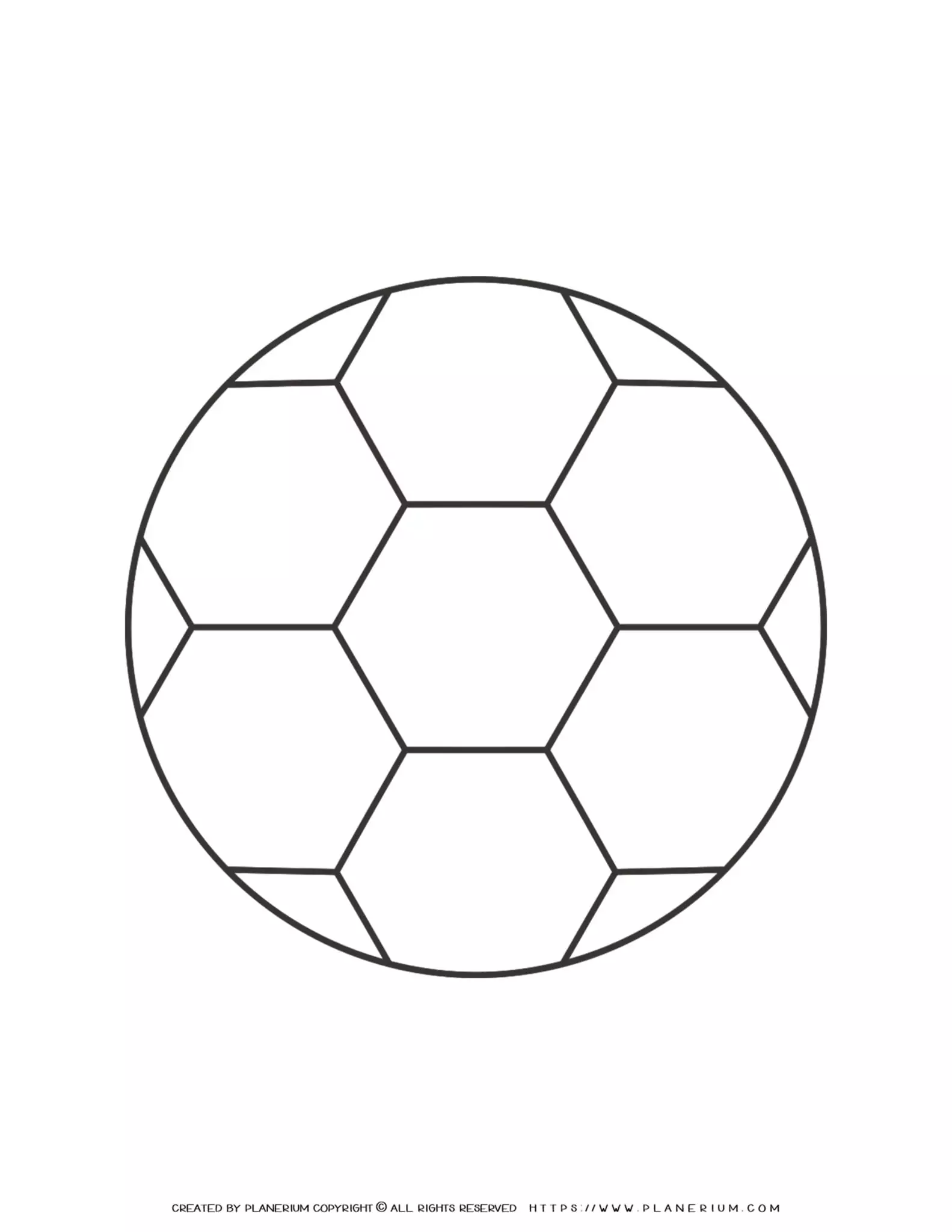
Original printable
Printable football template for kids to color, decorate, and use in sports themed crafts, art lessons, and classroom activities.
Learning Objective
Students will analyze the historical significance and cultural impact of football as a sport, using a football template to support critical thinking and historical connections.
Teacher-Selected Inputs
Why this printable fits
This football template supports the History subject by providing a visual and creative anchor for students to connect historical sports themes to their own ideas, fostering critical thinking about cultural history through an engaging artifact.
Vocabulary
PRE-TEACH
- Culture: The shared ideas, customs, and way of life of a group of people.
- Tradition: A custom or belief passed down through generations.
- Historical significance: Why something is important in history.
USE DURING LESSON
- Football
- Team
- Pattern
- Symbol
- Design
Materials
- Football printable template
- Markers or colored pencils
- Whiteboard or chart paper
- Writing paper
- Pens or pencils
Prep
- Print enough football templates for each student.
- Prepare a brief overview of football's history.
- Write key vocabulary and questions on the board.
Lesson Steps
- Introduction and Context10 minTeacher actions: Introduce the topic of football and its significance in history; explain how sports reflect culture and traditions; show the football template to students; ask students what they know about football historically.Teacher script: Today, we're going to use this football template to learn why football is more than a game. We'll think about how it connects to culture and history. What do you already know about football and its place in our history?Example / model: Display the football template and share a brief story about the origins of football in America focusing on team spirit and community.Printable use: Show the blank football printable as a visual reference for the discussion.Move on when: Students actively share ideas about football's cultural or historical importance.Support if needed: Provide a sentence frame: 'Football is important because ____.' to help students express ideas.
- Guided Analysis and Brainstorming12 minTeacher actions: Lead a discussion on how football reflects historical events and social change; write down student ideas on the board; encourage connections to tradition, community, and culture; prompt thinking about symbols and designs in sports.Teacher script: Let's think about how football might show us stories about history and culture. How do you think the game or what we see on the football represents ideas from the past?Example / model: Write students' ideas such as 'teamwork shows community,' or 'colors and logos show traditions' on the board.Printable use: Refer to the football template when discussing how designs and patterns can symbolize history.Move on when: Students contribute thoughtful observations linking football to history and culture.Support if needed: Use guiding questions like 'What can a football design tell us about the people who play or watch the game?
- Creative Design and Writing15 minTeacher actions: Distribute football templates; instruct students to design their own football representing a historical or cultural idea discussed; facilitate students writing a short explanation of their design's historical meaning.Teacher script: Now, use the football template to create your own design. Think about what part of history or culture you want your football to show. Then, write a few sentences explaining what your football design means.Example / model: A student colors the football in team colors representing community pride and writes: 'My football shows how football brings people together and keeps traditions alive.Printable use: Students actively color and decorate their football template to represent historical themes.Move on when: Students put ideas into their designs and begin writing their explanations.Support if needed: Provide a writing sentence frame: 'My football design shows ____, because ____.
- Formative Check and Sharing8 minTeacher actions: Pause halfway through the creative writing; ask several students to share their design and explanation; provide positive feedback and clarify misconceptions; confirm understanding of historical connections.Teacher script: Let's pause and share. Who can show their football and tell us what historical idea it represents?Example / model: A student shows a design with symbols and explains how it represents teamwork in history.Printable use: Use the football template as a prompt for verbal sharing and peer feedback.Move on when: Students demonstrate understanding by explaining their design's connection to history.Support if needed: Prompt with questions like 'Can you tell me why you chose those colors or symbols?
- Reflection and Wrap-up5 minTeacher actions: Lead a final discussion reflecting on how sports and history connect; summarize key points; encourage students to think about other sports and their cultural meanings.Teacher script: Today we saw how football is more than a game. It helps us learn about history and culture. Can you think of other sports that tell stories about the past or communities?Example / model: List other sports students mention and quickly note cultural connections they suggest.Printable use: Keep football templates displayed to reinforce learning visually.Move on when: Students can give examples and connect sports to historical ideas.Support if needed: Provide sentence starters like 'Another sport that shows history is ____ because ____.
Formative Check
- Step: Creative Design and Writing
- Ask students to: Share their football design and explain the historical or cultural meaning behind it.
- Look for: Clear connection between design elements and historical or cultural ideas, and ability to explain the connection.
Success Criteria
- Students can explain the cultural or historical significance of football using at least two specific examples.
- Students can create a football design that represents a historical or cultural idea and explain its meaning in writing for at least 75% of the class.
Differentiation
Support: Provide sentence frames for explaining their football design and its historical significance to assist students who need writing support.
Scaffold tool: Sentence Frame
Standard: Students create and explain a football design connecting to historical or cultural concepts as described in the lesson.
Extension: Students identify and compare football’s historical significance to another sport and write a short paragraph on similarities and differences.
Early Finishers: Students create a second football design representing a different historical or cultural idea and explain it orally to the teacher or peers.
Accommodations
- Provide additional writing support or scribe assistance as needed.
- Allow oral explanations instead of written response if necessary.
- Provide extra time for designing and writing.
- Use visual aids and examples during discussions.
Common Misconceptions
- Students may think football only relates to modern sports entertainment and not history.
- Students might confuse cultural significance with simple personal preferences.
- Students may focus on coloring without connecting design choices to historical ideas.
Assessment
- Observe student participation during discussion for understanding of cultural and historical connections.
- Review students' written explanations for clarity and relevance to historical significance.
- Check each football design for symbolism that matches the student’s explanation.
Teacher Notes
Standards
- CCSS.ELA-LITERACY.RI.5.3: Explain the relationships or interactions between two or more individuals, events, ideas, or concepts in a historical text.
IF SHORT ON TIME
- Keep: Introduction and Context
- Skip or shorten: Creative Design and Writing phase can be shortened or assigned as homework.
FOLLOW-UP OPTIONS
- Explore other sports and their cultural histories using similar templates.
- Research a historical figure involved in football or sports and create a report.
- Have students develop a timeline of football's history and social impact.
HOME CONNECTION
Ask your child to talk about a sport they enjoy and explain how it might show something important about people or history.