
Planerium AI Lesson Plan
Imaginative Drawing with the Mason Jar Printable
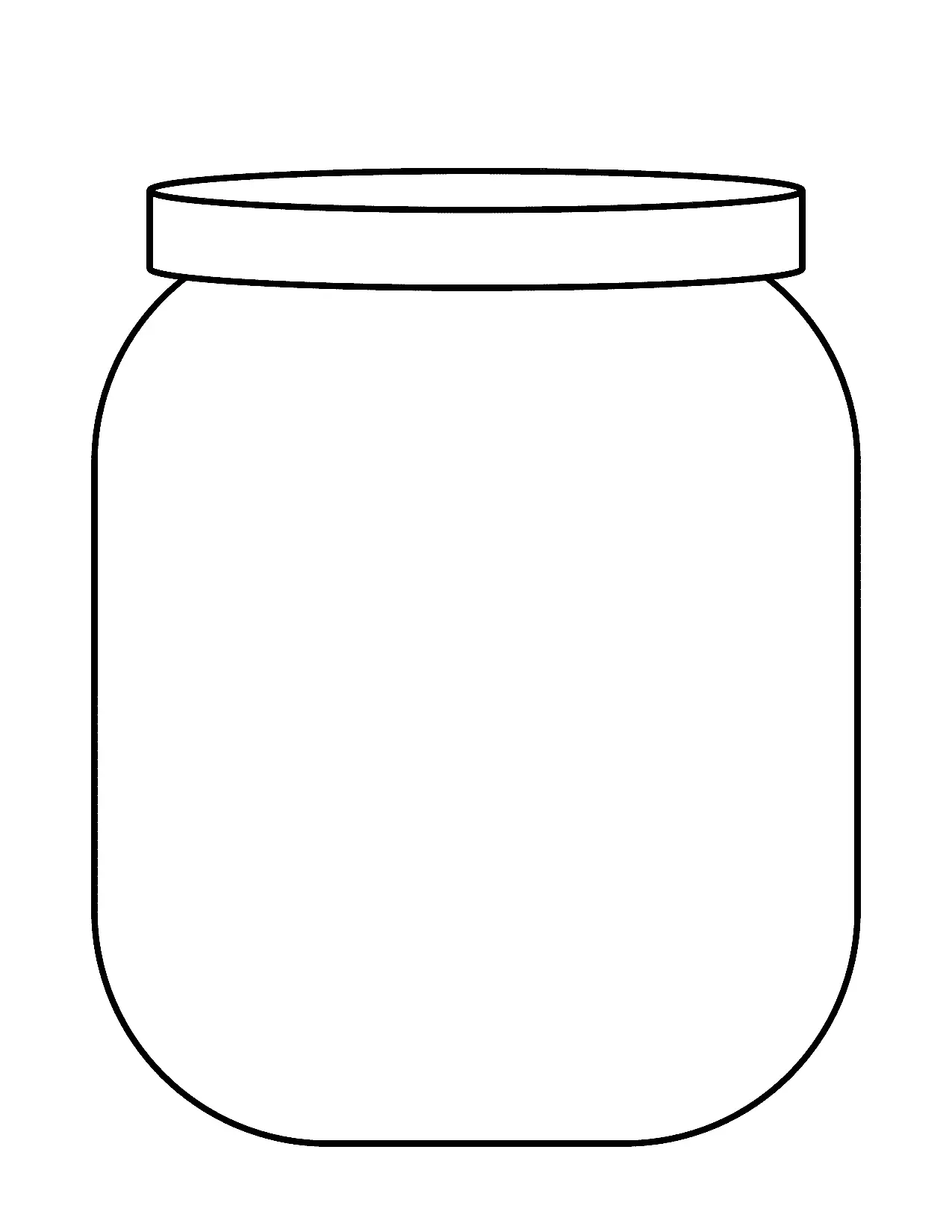
Original printable
Mason-style jar outline for classroom or homeschool students to design and decorate by filling the jar with pictures, numbers, or words; includes activities for counting, letter recognition, and vocabulary practice. Serves as a reusable visual organizer supporting fine-motor work
Learning Objective
Students will use their imagination to draw and illustrate creative pictures inside the Mason jar outline, demonstrating their ability to generate ideas and describe their drawings to practice drawing, illustrating, and
Teacher-Selected Inputs
Why this printable fits
This printable supports Imagination & Creativity by letting students express their ideas through drawing and illustrating inside a familiar Mason jar shape. It engages young learners in careful picture creation while building fine motor skills, art awareness, and oral description skills about their creative ideas.
Vocabulary
PRE-TEACH
- Imagination: Using your mind to think of new pictures.
- Illustrate: To draw a picture to show an idea.
- Outline: A simple line drawing that shows the shape.
USE DURING LESSON
- Jar
- Draw
- Color
- Picture
- Fill
Materials
- Printed Mason jar outline (1 per student)
- Crayons or colored pencils
- Erasers
Prep
- Make enough printouts of the Mason jar outline for each student
- Prepare crayons or colored pencils for students
Lesson Steps
- Introduction6 minTeacher actions: Show the printed blank Mason jar outline to the class. Explain that it is a jar to decorate. Talk about how they will fill it with drawings from their imagination. Model drawing a simple picture inside the jar yourself. Ask students what they think about before drawing.Teacher script: Today we will use our imaginations to fill this jar with special drawings. Watch me draw a happy sun inside the jar. What do you like to imagine?Example / model: Teacher draws a sun and a cloud inside the jar outline on a demo sheet; invites student ideas.Printable use: Show the blank jar outline as the drawing space to fill.Move on when: Students look curious and are ready with their crayons and papers.Support if needed: If students are unsure, point to the jar and say, 'This is where we will draw pictures you think up!'.
- Guided Drawing9 minTeacher actions: Ask students to think of one thing they want to draw in their jar. Help them start drawing by describing the steps out loud. Walk around to prompt and encourage drawing attempts. Remind them to stay inside the jar outline. Encourage students to say what they are drawing aloud.Teacher script: Can you think of one thing to put inside your jar? Let's draw it step by step. Start with a circle, then add eyes or lines. Tell me what you are drawing!Example / model: A student draws a flower inside their jar with teacher prompts and says, 'I am drawing a flower.Printable use: Students use the jar outline to place their imaginative drawing inside the shape.Move on when: Students begin drawing something inside the jar outline and name it aloud.Support if needed: Offer tracing guidance or invite students to say what they want to draw before starting.
- Adding Details7 minTeacher actions: Encourage students to add more pictures or decorate their jar with colors and shapes. Model adding small details such as dots or stripes inside your demo jar drawing. Help students think of different simple things to add inside their jar. Prompt them to say details they add.Teacher script: Now let's add more fun things, like dots or stripes. What else can go inside your jar? Tell me about it!Example / model: Teacher adds dots and lines to their demo drawing; students add small decorations inside their jars and name them.Printable use: Jar outline is the space for detailed drawing and decorating.Move on when: Students add at least two different small details or pictures inside their jar and orally describe them.Support if needed: Provide descriptive suggestions like 'Can you add a star or a heart?' if students pause.
- Sharing and Reflecting8 minTeacher actions: Invite students to show their jars to the class. Ask them to name some things they drew. Give positive feedback on the creative ideas and drawing effort. Discuss how everyone’s jars look different and special.Teacher script: Who wants to show their jar? Tell us one thing you drew. Great imaginations!Example / model: A student holds up jar and says, 'I drew a cat and some stars!Printable use: Use the completed jar drawing as a sharing artifact.Move on when: Students can verbally identify at least one item in their jar drawing when sharing.Support if needed: Offer sentence frames, e.g., 'I drew a ___ in my jar.
Formative Check
- Step: Guided Drawing
- Ask students to: Draw at least one picture inside the jar outline and say what it is.
- Look for: A recognizable shape drawn inside the jar boundaries with oral identification by the student.
Success Criteria
- Students can draw at least one recognizable picture inside the jar outline and name it aloud.
- Students can add at least two different details or decorations inside their jar and describe their choices orally.
- Students can verbally share and identify one or more items they drew when showing their jar to the class.
Differentiation
Support: Provide a simple sentence frame 'I drew a ___ in my jar' to support oral sharing.
Scaffold tool: Sentence Frame
Standard: Students complete at least one clear drawing inside the jar and add decorations independently.
Extension: Students write a short dictated sentence about their drawing using invented spelling or labels.
Early Finishers: Draw a second jar on blank paper and fill it with new drawings using different colors.
Accommodations
- Provide thicker crayons or pencils for easier grip.
- Allow students to trace simple shapes inside the jar if drawing is difficult.
- Offer one-on-one assistance during drawing time.
- Allow oral description instead of writing for emerging writers.
Common Misconceptions
- Students may try to draw outside the jar outline; remind them to keep pictures inside.
- Some students may draw scribbles; support them in naming their marks as meaningful pictures.
- Students might want to erase constantly; encourage them that first tries are okay.
Assessment
- Check that student drawings are inside the jar outline and recognizable.
- Listen for student oral descriptions naming at least one drawn object clearly.
- Observe use of at least two different details or decorations in drawings and oral descriptions.
Teacher Notes
Standards
- CCSS.ELA-Literacy.SL.K.4: Describe familiar people, places, things, and events with prompting and support.
- CCSS.ELA-Literacy.W.K.3: Use a combination of drawing, dictating, and writing to express ideas.
IF SHORT ON TIME
- Keep: Step 2: Guided Drawing
- Skip or shorten: Step 3: Adding Details – shorten to brief decorating only
FOLLOW-UP OPTIONS
- Use the jar outline for a letter recognition drawing activity.
- Have students draw a sequence of three jars to tell a simple story.
- Turn the jar into a math counting activity with drawn objects.
HOME CONNECTION
Ask your child to draw a special jar at home and tell you what pictures they put inside.