
Planerium AI Lesson Plan
ELL Writing with Picture Frame: Create and Label Your Drawing
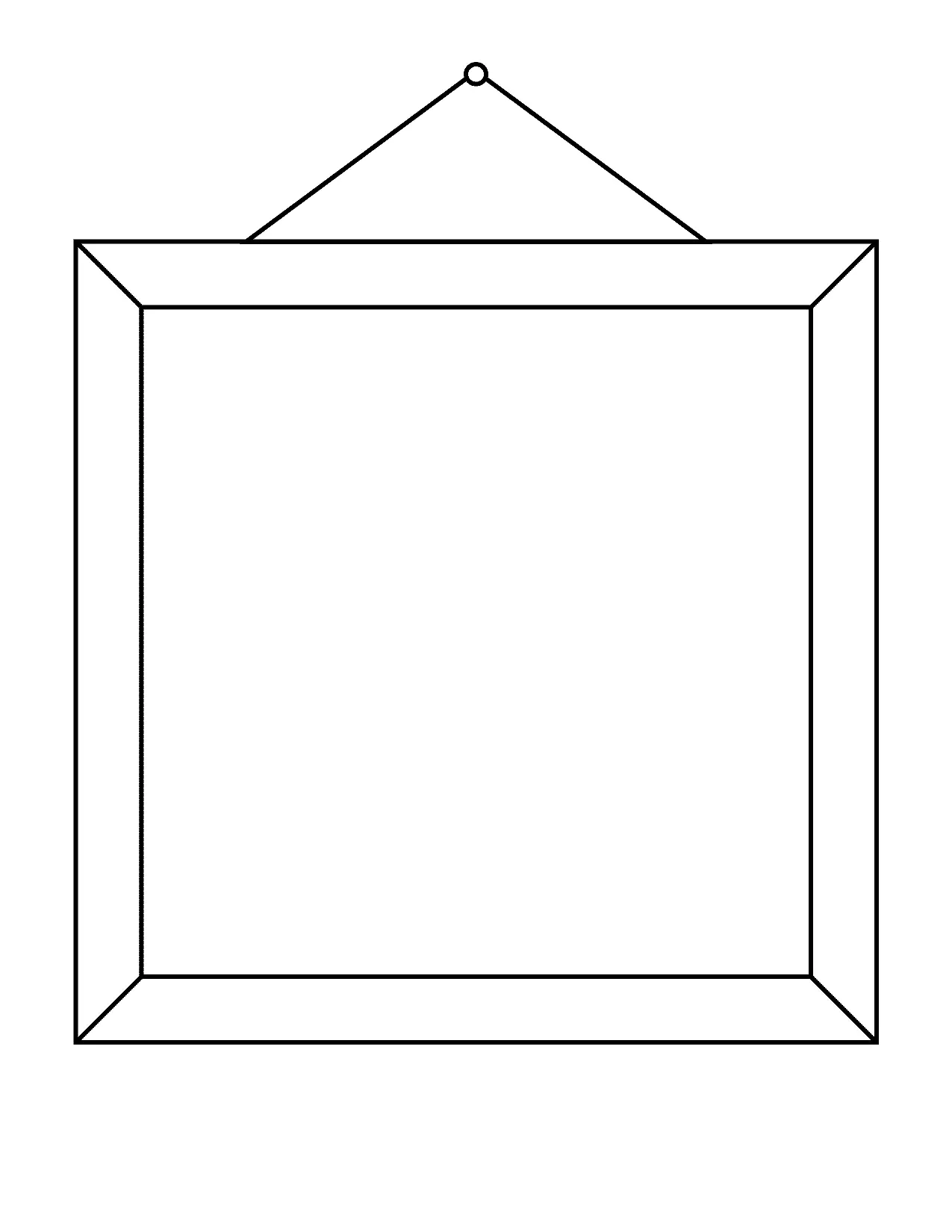
Original printable
Blank picture frame template for students to draw, write, label, and add a title or short description; ideal for self-portraits, family drawings, and writing prompts. Its framed layout creates display-ready work for classroom or homeschool art lessons, literacy centers, social st
Learning Objective
Students will write simple sentences to describe their drawings using sentence frames and vocabulary supports while labeling parts of their pictures within the picture frame template.
Teacher-Selected Inputs
Why this printable fits
This printable picture frame supports ELL writing by giving students a clear, visual workspace to draw and then write about their drawings using structured sentence frames and vocabulary supports. It helps scaffold their writing while focusing on sentence construction and labeling within a meaningful context, perfect 3
Vocabulary
PRE-TEACH
- Label: A word that names something
- Describe: To tell about something
- Sentence: A group of words that tell a complete thought
USE DURING LESSON
- Picture
- Title
- Draw
- Write
- Label
Materials
- Printed picture frame template for each student
- Pencils or crayons
- Word bank cards with vocabulary
- Sentence frame chart visible to class
Prep
- Print one picture frame template per student
- Prepare word bank cards with picture-related words
- Prepare sentence frames for oral and written use
Lesson Steps
- Introduction and Modeling8 minTeacher actions: 1. Show the blank picture frame printable to the class. 2. Model drawing a simple picture inside the frame, e.g., a family member. 3. Model how to write a title at the top of the frame and label parts of the drawing. 4. Use sentence frames aloud with the class to describe the drawing.Teacher script: Today, we will draw a picture inside this frame and then write sentences to tell about it. I will show you how to do it step-by-step. Watch me draw and write in my frame.Example / model: Teacher draws a simple house and labels the door and window; writes the title 'My House' and says: 'This is my house. It has a big door.Printable use: Students observe how the teacher uses the picture frame printable to draw, title, and label.Move on when: Students can identify where to draw inside the frame and understand there is space for writing a title and labels.Support if needed: Use sentence frames to help students say simple sentences about their drawing.
- Guided Practice: Drawing and Labeling9 minTeacher actions: 1. Distribute the printable and materials to students. 2. Guide students to draw their own picture inside the frame. 3. Walk around and support students in labeling parts of their drawing. 4. Use word bank cards and sentence frames to support student writing.Teacher script: Now you will draw your own picture inside your frame. Think about what you want to show. Then, we will add labels and write a title.Example / model: Student draws a picture of a pet dog, labels 'tail' and 'dog' with teacher support.Printable use: Students use the inside of the picture frame to draw and label parts of their picture using the printable space.Move on when: Students are able to draw a recognizable picture and add at least two labels with support.Support if needed: Provide word bank cards and sentence frames to assist with writing labels and sentences.
- Formative Check and Sentence Writing7 minTeacher actions: 1. At midpoint, ask students to share their drawings and labels orally with a partner or small group. 2. Check students' sentence writing progress and offer support with sentence frames. 3. Encourage students to write one or two simple sentences describing their picture using the sentence frames.Teacher script: Turn to your partner and tell them about your picture and labels. Then, let's write sentences about your drawing together.Example / model: Student says, 'This is my dog. It has a long tail.' Then writes the sentence in the space below the drawing.Printable use: Students write sentences below their drawings on the printable, using the structured space.Move on when: Students can say and write at least one sentence about their picture using sentence frames.Support if needed: Provide sentence frame cards to prompt sentence starters.
- Independent Writing and Sharing6 minTeacher actions: 1. Allow students to complete writing their sentences independently or with minimal support. 2. Invite volunteers to share their framed picture and sentences with the class. 3. Praise all efforts and collect work for display or portfolio.Teacher script: Finish writing your sentences about your picture. When you're ready, you can share your framed work with the class.Example / model: Student completes writing: 'My house is big. It has a red door.' Then volunteer shares their framed picture and reading their sentences.Printable use: Students finalize writing on the printable within the space provided and add any final labels or titles.Move on when: Students complete at least one sentence and can share about their picture orally or in writing.Support if needed: Offer one-on-one prompting or reread sentence frames if students struggle.
Formative Check
- Step: Formative Check and Sentence Writing
- Ask students to: Share their drawing and labels orally with a partner and write one or two simple sentences about their picture.
- Look for: Students use sentence frames to describe their drawing and write at least one sentence with labels.
Success Criteria
- Students can write a title and label at least two parts of their drawing on the printable.
- Students can write at least one simple sentence using the sentence frames to describe their picture.
Differentiation
Support: Provide sentence frame cards to support writing sentences about their drawings.
Scaffold tool: Sentence Frame
Standard: Students draw a picture, label parts, and write a title with one or two descriptive sentences using sentence frames.
Extension: Students write three or more sentences about their picture and use descriptive words.
Early Finishers: Add more labels or decorate the frame with words or colors related to the drawing.
Accommodations
- Provide word banks with visuals for vocabulary support.
- Allow oral responses if writing is difficult.
- Use paired writing partners for peer support.
- Offer extra time or reduced writing load as needed.
Common Misconceptions
- Students may label unrelated parts not in the drawing.
- Students may write incomplete sentences or fragments.
- Students may struggle to organize drawing and writing space properly.
Assessment
- Observe whether students label correctly and use the vocabulary words.
- Evaluate the sentence(s) for a subject and predicate using sentence frames.
- Check student ability to orally describe their drawing using learned vocabulary.
Teacher Notes
Standards
- CCSS.ELA-LITERACY.W.3.1: Write opinion pieces on topics or texts, supporting a point of view with reasons.
- CCSS.ELA-LITERACY.L.3.1: Demonstrate command of the conventions of standard English grammar and usage when writing.
IF SHORT ON TIME
- Keep: Step 1: Introduction and Modeling
- Skip or shorten: Skip or shorten Step 4: Independent Writing and Sharing
FOLLOW-UP OPTIONS
- Have students write a short story about their drawing using multiple sentences.
- Use the picture frame for a vocabulary labeling activity with new thematic words.
- Create a classroom display with student work and have students present their drawings orally.
HOME CONNECTION
Ask your child to draw a picture at home and tell you three sentences about it using the sentence frames learned at school.