
Planerium AI Lesson Plan
History Through Art: Creating a Picture Frame Story
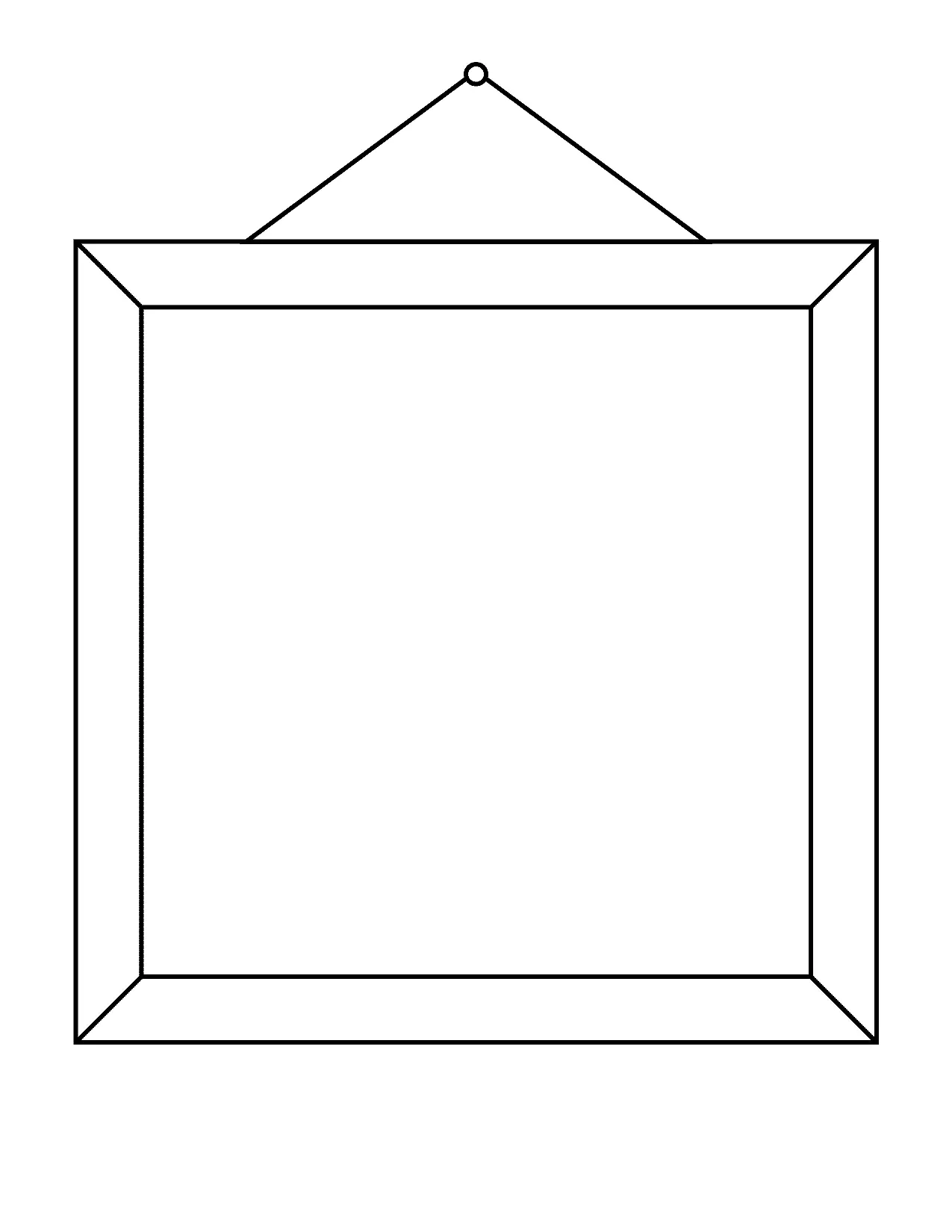
Original printable
Blank picture frame template for students to draw, write, label, and add a title or short description; ideal for self-portraits, family drawings, and writing prompts. Its framed layout creates display-ready work for classroom or homeschool art lessons, literacy centers, social st
Learning Objective
Students will creatively express their understanding of a historical figure or event by designing and writing within a framed picture template, integrating visual and written historical details.
Teacher-Selected Inputs
Why this printable fits
The Picture Frame printable provides a structured space for students to visually represent a historical topic and describe it with words, ideal for combining history content with creative expression in fourth grade.
Vocabulary
PRE-TEACH
- historical: Relating to things from the past.
- expression: Showing ideas or feelings in a creative way.
- composition: How parts are arranged together in a picture or writing.
USE DURING LESSON
- frame
- title
- label
- draw
- describe
Materials
- Picture Frame printable (one per student)
- Pencils
- Colored pencils or markers
- Reference images/books on historical figures or events
Prep
- Print enough Picture Frame templates for each student
- Prepare example historical figure/event visuals
- Prepare word bank with historical vocabulary if needed
Lesson Steps
- Introduction and Modeling10 minTeacher actions: 1. Introduce the lesson's goal: to create a framed picture about a historical figure or event. 2. Show an example of a completed frame with drawing, title, and description. 3. Explain the parts of the frame and how to plan thoughts before drawing. 4. Display reference images or brief facts on the chosen historical topic.Teacher script: Today we'll create a special framed picture about someone or something important from history. I'll show you an example and how to plan your own. Let's look at interesting details to include!Example / model: Display a completed frame with a hand-drawn portrait of a historical figure, a title at top, labels identifying features, and a 2-3 sentence description below.Printable use: Use the blank Picture Frame printable to demonstrate where to draw, title, and write labels and descriptions.Move on when: Students understand the parts of the frame and can explain what they will include in their drawing and writing.Support if needed: Provide a sentence frame for the description (e.g., 'I chose ___ because ____.')
- Planning and Sketching15 minTeacher actions: 1. Guide students to choose a historical figure or event to illustrate. 2. Prompt students to list or discuss key details they want to include. 3. Model sketching a rough draft inside the frame lightly with pencil. 4. Encourage students to begin their own light sketches in the frame area.Teacher script: Think about who or what you want to show in your frame. What important details can you include? Start by lightly drawing your picture inside the frame.Example / model: Teacher sketches a simple outline of George Washington with a label pointing to his hat and a brief note written under the frame.Printable use: Students use the blank space inside the frame to create a pencil sketch of their chosen historical subject.Move on when: Students have created a basic light sketch or plan inside their frames and can explain their choice of details.Support if needed: Use a word bank card containing key vocabulary and image prompts to help students plan their sketches.
- Adding Details and Writing15 minTeacher actions: 1. Instruct students to add color or darker lines to their sketches to complete the drawing. 2. Guide students to write a title at the top of the frame. 3. Support students in labeling important parts of their drawing. 4. Help students write a short paragraph or sentences describing their picture below the frame.Teacher script: Now add color or make your drawing darker. Write a clear title on top. Label important parts of your picture. Then write a few sentences to tell why you chose this topic and what makes it important.Example / model: Teacher writes 'The Wright Brothers' as a title, labels airplane wings in the drawing, and writes a sentence: 'The Wright brothers made the first airplane in 1903.Printable use: Students fill the frame with final drawing, add a title, labels, and write a descriptive sentence or short paragraph below the frame.Move on when: Students have completed their drawings, added a title, labeled parts, and written a description connected to their history topic.Support if needed: Provide sentence frames to support writing (e.g., '___ is important because ___.' 'This picture shows ___.')
- Formative Check and Sharing10 minTeacher actions: 1. Pause the lesson to have students share their framed drawings and descriptions with a partner or small group. 2. Ask students to explain one important detail about their historical figure or event. 3. Observe and provide feedback on content accuracy and creative expression. 4. Encourage students to ask each other questions about their pictures.Teacher script: Turn to a partner and share your picture and writing. Tell them one important thing about your historical topic. Listen as your partner shares. Ask a question about their drawing or writing.Example / model: Student A explains, 'I drew Harriet Tubman because she helped many people escape slavery.' Student B asks, 'How did she do that?'.Printable use: Students display their completed Picture Frame and use it to share and explain their historical expression.Move on when: Students are able to clearly describe and discuss their framed historical topic with peers.Support if needed: Assign partners and provide a question prompt card (e.g., 'What did you learn about your person?') to guide peer discussion.
Formative Check
- Step: Formative Check and Sharing
- Ask students to: Share their framed drawing and description with a partner, explaining one key historical detail.
- Look for: Clear explanation of their historical topic and ability to listen and respond to peer questions.
Success Criteria
- Students can create a framed drawing representing a historical figure or event with at least two labeled details for 80% of the class.
- Students can write a descriptive title and at least two sentences explaining their historical subject for 80% of the class.
- Students can verbally explain one key detail about their framed historical topic during peer sharing for 80% of the class.
Differentiation
Support: Provide students with sentence frames to support writing their descriptions, such as 'I chose __ because __.' to help organize their thoughts.
Scaffold tool: Sentence Frame
Standard: Students complete the full task independently: drawing, titling, labeling, and writing a description about the historical topic.
Extension: Students add additional labels or write an extra paragraph explaining the impact or importance of their chosen historical figure or event.
Early Finishers: Create a brief presentation about their framed work to share with the class or create an additional frame on a related historical topic.
Accommodations
- Provide verbal prompts and visual examples for students needing extra support.
- Allow extra time for drawing and writing as required.
- Offer drawing templates or pre-printed labels for students who struggle with fine motor skills.
- Use peer support for brainstorming historical details.
Common Misconceptions
- Students may focus only on drawing and omit writing key historical details.
- Students may confuse facts about historical figures or events — provide clear references.
- Students might not understand how to organize their writing to connect it to their picture.
Assessment
- Review framed picture for inclusion of relevant historical details and visual labels.
- Assess written title and description for accuracy and completeness about the historical topic.
- Observe verbal explanations during sharing for understanding of historical content.
Teacher Notes
Standards
- CCSS.ELA-LITERACY.W.4.2: Write informative/explanatory texts to examine a topic and convey ideas clearly.
- CCSS.ELA-LITERACY.SL.4.4: Report on a topic or text clearly, adding visual displays when appropriate to emphasize ideas.
IF SHORT ON TIME
- Keep: Introduction and Modeling
- Skip or shorten: Formative Check and Sharing to save time for drawing and writing.
FOLLOW-UP OPTIONS
- Create a historical timeline with framed drawings for multiple events.
- Write a first-person diary entry from the perspective of their historical figure.
- Research and frame a local historical event or person for a class display.
HOME CONNECTION
Ask your child to share their framed historical drawing and description and tell you one interesting fact they learned.