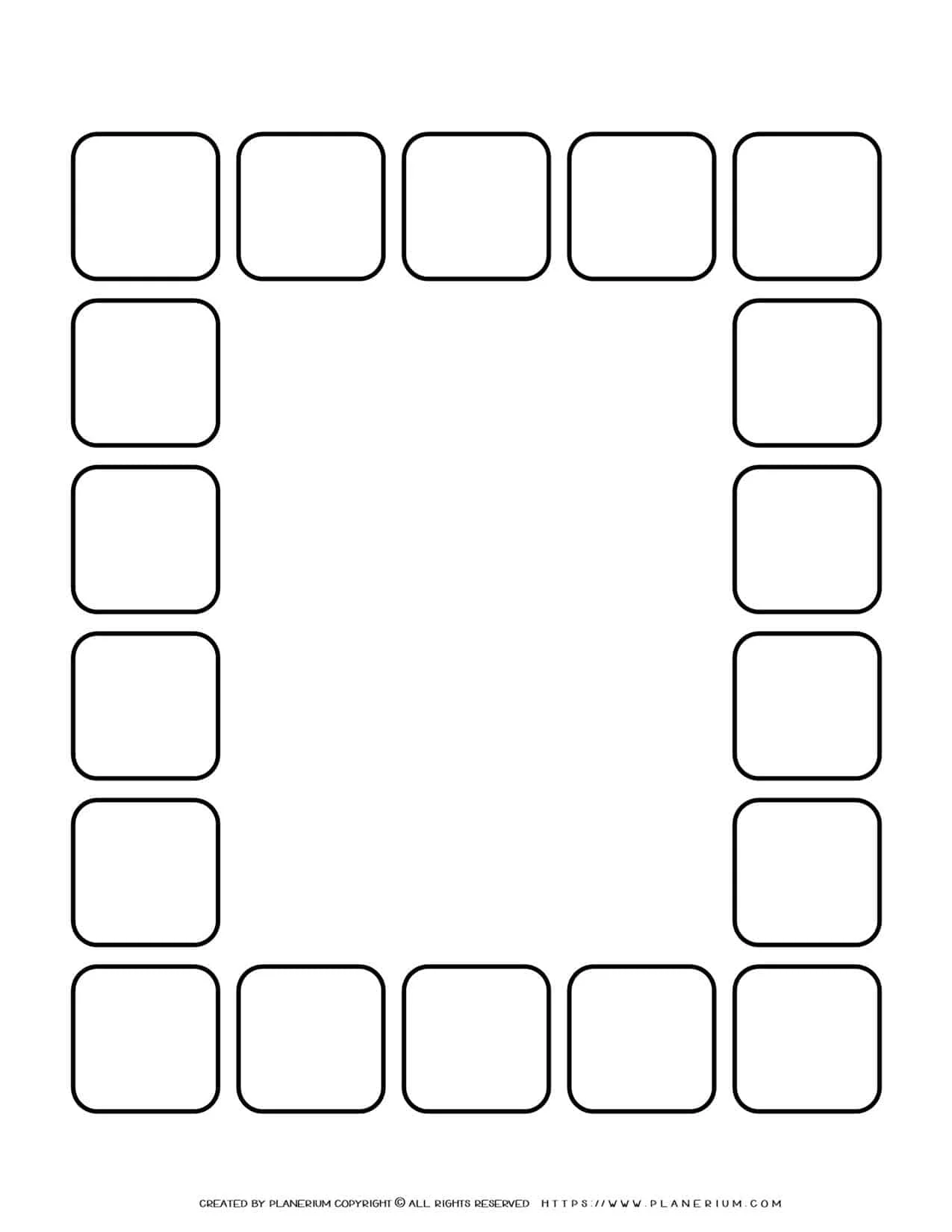
Sequence Chart Template – Eighteen Squares
1271
Views
9
Prints
2
Saves
Free printable 18-step sequence chart with eighteen squares for organizing longer stories, timelines, processes, project stages, and detailed step-by-step activities. A structured graphic organizer for Grades 3-6.
18-Step Sequence Chart – Free Printable Graphic Organizer
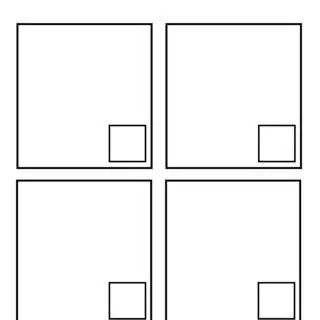
This free printable 18-step sequence chart gives students a structured way to organize longer sequences, processes, timelines, or multi-step ideas.
The template includes eighteen separate squares, making it especially useful when a topic contains more stages or events than a simple four- or eight-part organizer can hold.
Students can use each square for a number, keyword, short sentence, symbol, or small drawing.
Classroom Ideas
Use this printable sequence organizer to help students:
- Sequence important events from a longer story
- Build a detailed historical timeline
- Organize stages in a scientific process
- Record steps in an experiment or investigation
- Break a complex procedure into smaller parts
- Plan the stages of a long-term project
- Organize research findings in sequence
- Map the development of an idea or event over time
- Create a visual summary of a chapter, lesson, or documentary
Suggested Grade Levels
This graphic organizer is especially suitable for Grades 3-6.
Because it includes eighteen sections, it works best for students who are already comfortable identifying and organizing information independently.
Teachers can simplify the activity by numbering the squares, adding short prompts, or asking students to complete only selected sections.
Why Use an 18-Step Sequence Organizer?
Some topics cannot be represented clearly in only four or five boxes.
An eighteen-part organizer gives students room to break a longer process or narrative into smaller, manageable pieces while keeping the full sequence visible on one page.
This can help students see:
- What happened first, next, and later
- How one stage leads to another
- Which events are most important
- Where a process begins and ends
- How information changes or develops over time
The structure is particularly useful for extended sequencing and timeline activities.
Ideas Across Subjects
Language Arts:
Sequence major events from a chapter or longer story, trace plot development, or summarize a narrative using key moments.
Science:
Record a multi-step experiment, scientific process, or sequence of observations.
Social Studies:
Build timelines of historical events, biographies, inventions, journeys, or developments over time.
Project-Based Learning:
Plan a larger project by dividing it into smaller stages, tasks, or milestones.
Research:
Organize information chronologically or show how a topic develops across several stages.
Explore More Graphic Organizers
Explore the full Graphic Organizer Templates collection for more free sequence charts, comparison organizers, story maps, and visual thinking tools.
You may also find these templates useful:
- 8-Step Circular Sequence Chart – a simpler visual organizer for shorter sequences and cycles.
- Spiral Sequence Chart with 10 Circles – useful for showing progression through a medium-length sequence.
- One-Column 7-Row Chart – a simpler linear organizer for shorter lists and sequences.
- Five-Section Graphic Organizer with Headline – useful when students need to organize one central topic into five related ideas.
FAQ
What is an 18-step sequence chart used for?
It is useful for longer stories, timelines, processes, experiments, projects, or any activity that needs more than a few sequence steps.
Do students need to use all 18 squares?
No. Teachers can use only the number of sections needed for the activity or add prompts to selected squares.
What grade levels is this printable suitable for?
It is especially useful for Grades 3-6 because students at these levels are more able to manage longer sequences independently.
Can this organizer be used for historical timelines?
Yes. Students can place dates, events, names, or short descriptions in chronological order across the squares.
Can students draw instead of write?
Yes. Each square can contain a small illustration, symbol, keyword, number, or short written response.
More in this series